Washington’s US$17-billion headline sounds like a massive windfall, yet most of that money comes from pre-existing airplane orders and proposed loans rather than fresh foreign investment. Before celebrating, Filipinos deserve a clear breakdown of what we are actually buying, what we owe, and what stays in our economy now that the summit has ended.
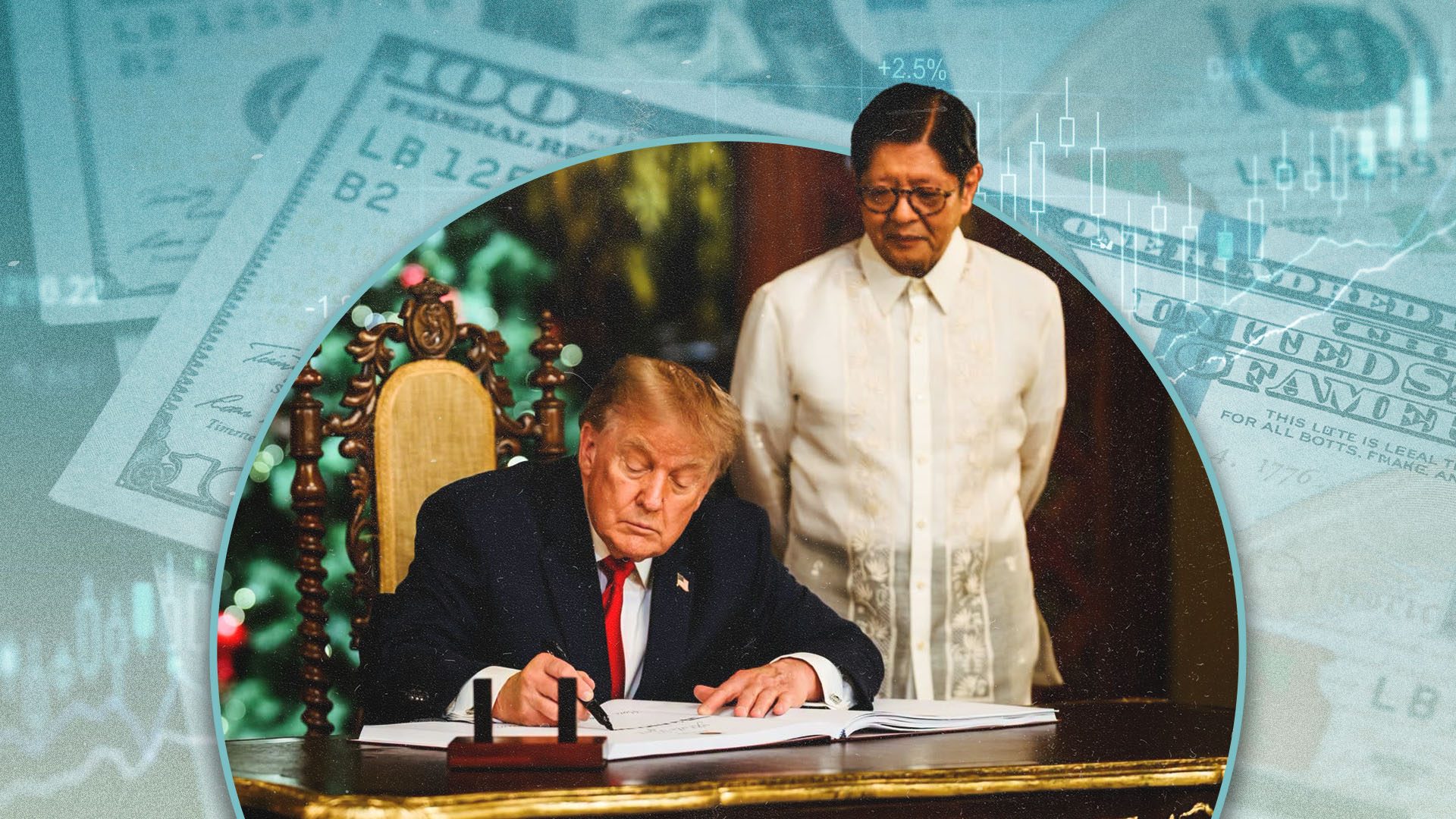
Washington has put a big price tag on President Donald Trump’s Manila visit: over US$17 billion in business deals and strategic investments for American companies.
Before celebrating that number as a Philippine win, we should ask: Who is buying, who is selling, and who eventually pays? When a Philippine company buys from America, it can support US jobs and benefit Filipino travelers. However, buying a product is not the same as foreign money flowing into our economy to build businesses.
The White House’s November 18 fact sheet covers commercial deals and investment announcements across the region. For our country, it lists an aircraft and engine sale valued by the White House at $12 billion, plus a proposed military loan exceeding $2 billion.
These two items work differently. Adding them together makes a flashy headline, but tells us little about the real income, business growth, or government debt those deals will create locally.
PAL’s deals