

Want to bookmark your favourite articles and stories to read or reference later? Start your Independent Membership today.
After covering capital punishment for The Associated Press in Texas since 1983 — and witnessing nearly 500 lethal injections — I've become accustomed to a certain routine in the procedure, although I'm reticent to describe any execution as “routine.”
It was 6 p.m. Thursday — a bell from a nearby church tolling the hour — when I and other witnesses climbed the concrete steps into the more than century-old Huntsville Unit of the Texas Department of Criminal Justice.
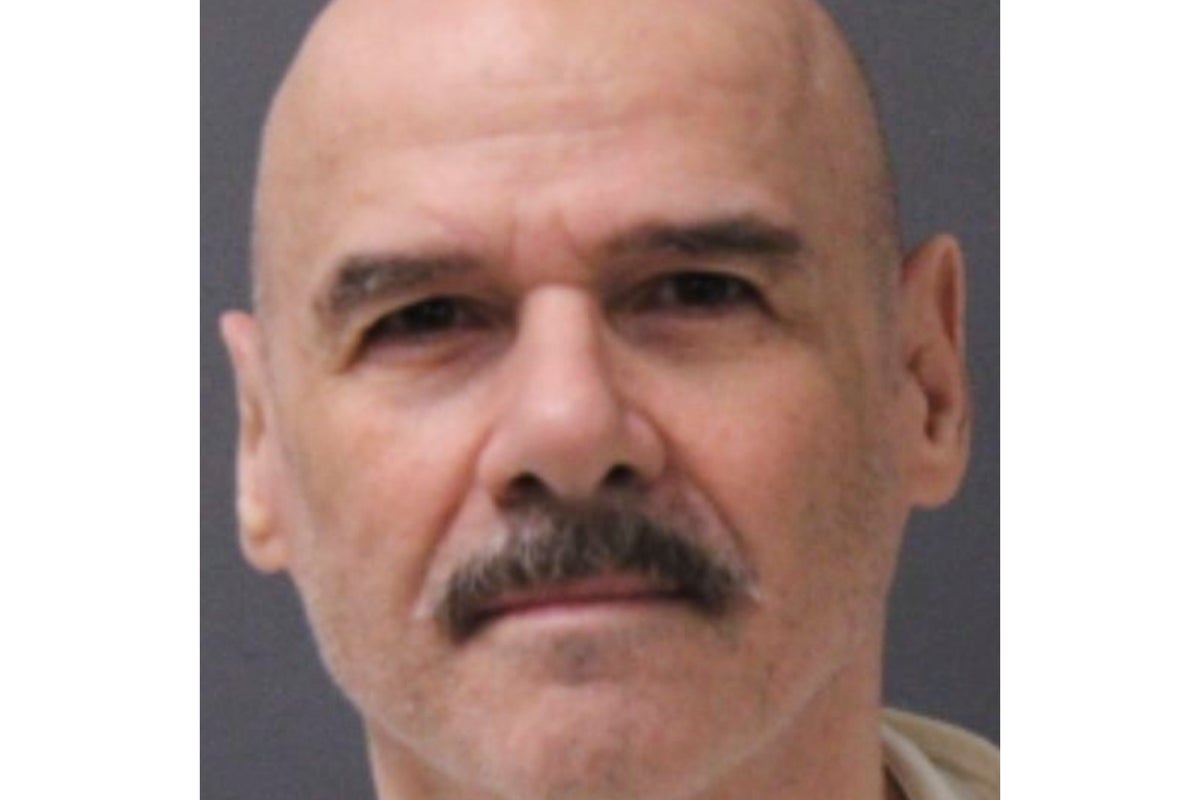
We were led into a reception office for what normally is a very brief period to await the short trek to the death chamber to watch condemned killer Reinaldo Dennes die.
A large state of Texas clock on a wall ticked off the moments. By about 6:20 p.m., we still hadn't moved.
I knew one of two situations was likely: Dennes was resisting the execution team's attempts to insert a pair of intravenous needles into his arms, or the execution team was having difficulty finding a suitable vein for the needles.
Thirty minutes later, as we were led into the chamber by corrections officers, Dennes appeared docile. His eyes were closed and his head was pointed toward the ceiling.