

Brussels and London have agreed to let 100,000 young Europeans live in the UK, but a deal on university fees has been postponed by six months, at a major summit on Friday.The EU and the UK have been seeking a broader reset in relations at their second bilateral summit since Brexit, and a youth mobility scheme to live and study abroad is one of its main elements.“This is something which is important in terms of people-to-people contacts on both sides of the channel,” an EU official said.The Youth Experience Scheme (YES) will allow 100,000 young people from the EU and 100,000 from the UK to live in each other’s territory for up to three years. It is expected to be up and running by January 2030 at the latest.However, the two sides failed to settle the contentious issue of university fees, committing instead to hash out a deal within six months.The UK, which hosts far more EU students than it sends to the bloc, wants to simply lower the fees.The EU, by contrast, wants its students to be treated equally to British ones at UK universities, as they did before Brexit, when EU students benefited from equal treatment under EU rules prohibiting discrimination on grounds of nationality.The post-Brexit rise in fees has driven EU enrolment down sharply.
Young Europeans win a route back to the UK, but not cheaper university fees yet
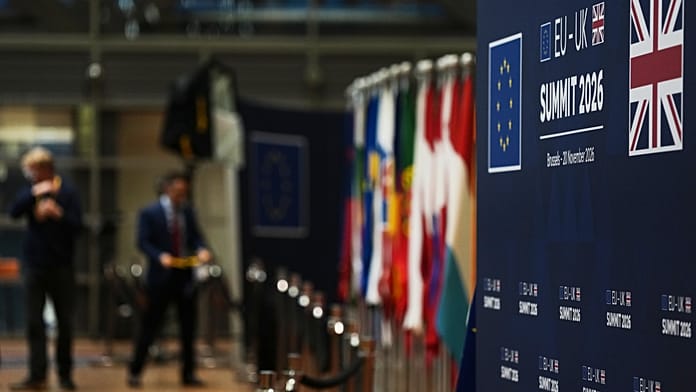
The EU and UK agreed on a youth scheme letting 100,000 young people live in each other’s territory, but a deal on how much to lower university fees was delayed by six months.
In brief
Brussels and London have agreed to let 100,000 young Europeans live in the UK, but a deal on university fees has been postponed by six months, at a major summit on Friday.The EU and the UK have been seeking a broader reset in relations at their second bilateral summit since Brexit, and a youth mobility scheme to live and study abroad is one of its main elements.“This is something which is important in terms of people-to-people contacts on both sides of the channel,” an EU official said.The Youth Experience Scheme (YES) will allow 100,000 young people from the EU and 100,000 from the UK to live in each other’s territory for up to three years. It is expected to be up and running by January…
This is the opening of the story, shared with credit to Euronews. The rest of the report — with every detail — continues on the publisher’s website.
Continue reading at Euronews ↗