Conclusion
QUEZON PROVINCE, Philippines – For residents living near a sprawling piggery designed to accommodate up to 50,000 hogs, the concern is no longer just the loss of agricultural land. It is whether the facility’s waste management system can protect their water sources, farms, and livelihoods, and whether government agencies will act if those safeguards fail.
The 12-hectare development of Mighty Livestock Farms in Barangay Callejon, San Antonio, Quezon, has raised concerns among residents of surrounding communities who rely on nearby irrigation waterways and groundwater for farming and household use.
The project has also become a source of frustration for former rice farmhands who found temporary employment during its construction, only to abruptly lose their jobs.
Must Read
Ricefields to piggery: Questions over land conversion for 50,000-hog facility in Quezon
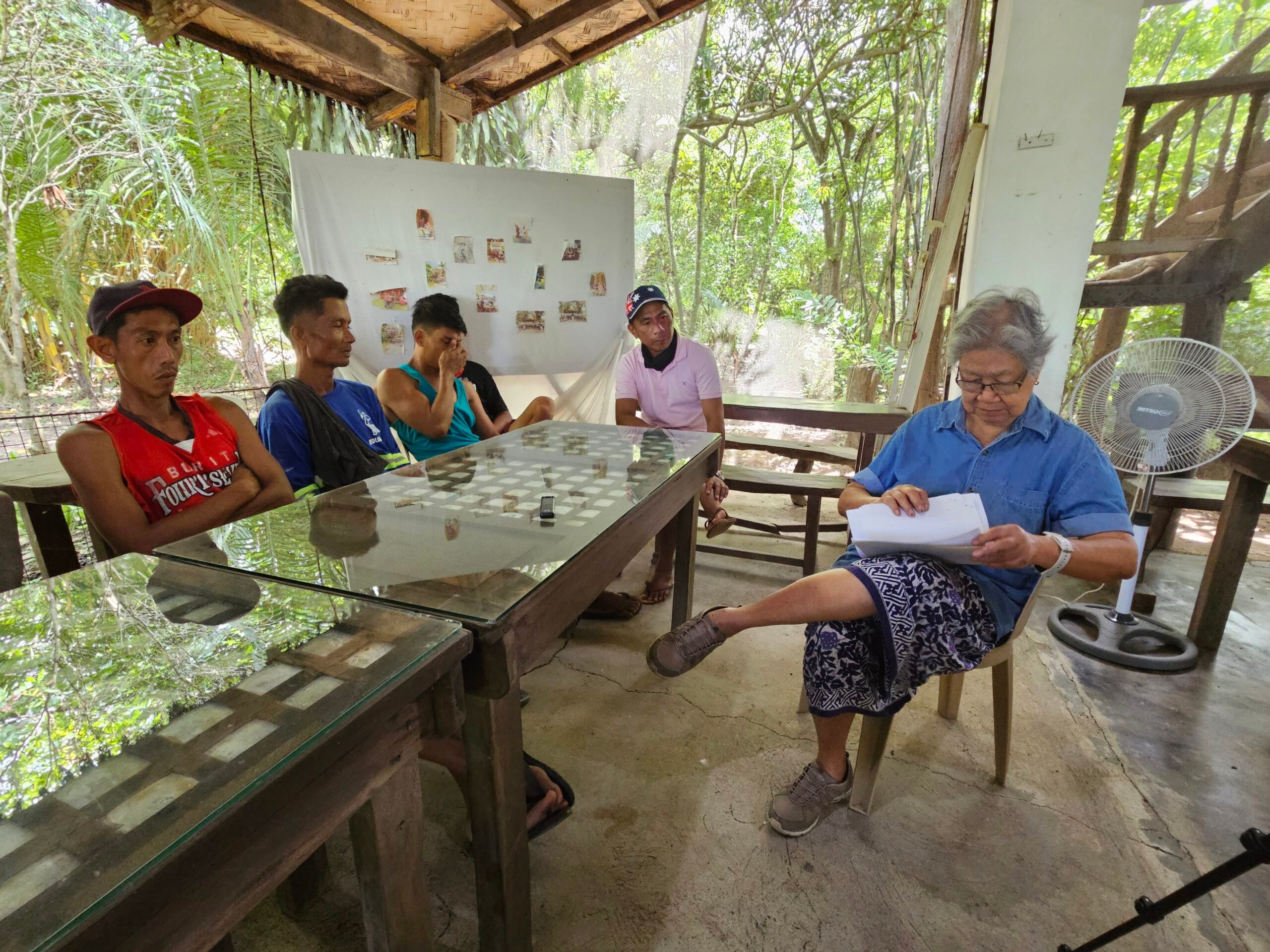
For Emma Alday, a resident in her eighties whose farm lies just 250 meters from the development, the controversy has become a prolonged struggle to obtain answers from government agencies responsible for protecting agricultural land, farmers, and the environment.
Threat to water, farms, and communities
Beyond the loss of productive agricultural land, residents fear the environmental consequences of a facility designed to accommodate as many as 50,000 pigs.
Alday estimates that each hog could produce approximately five kilograms of waste daily.