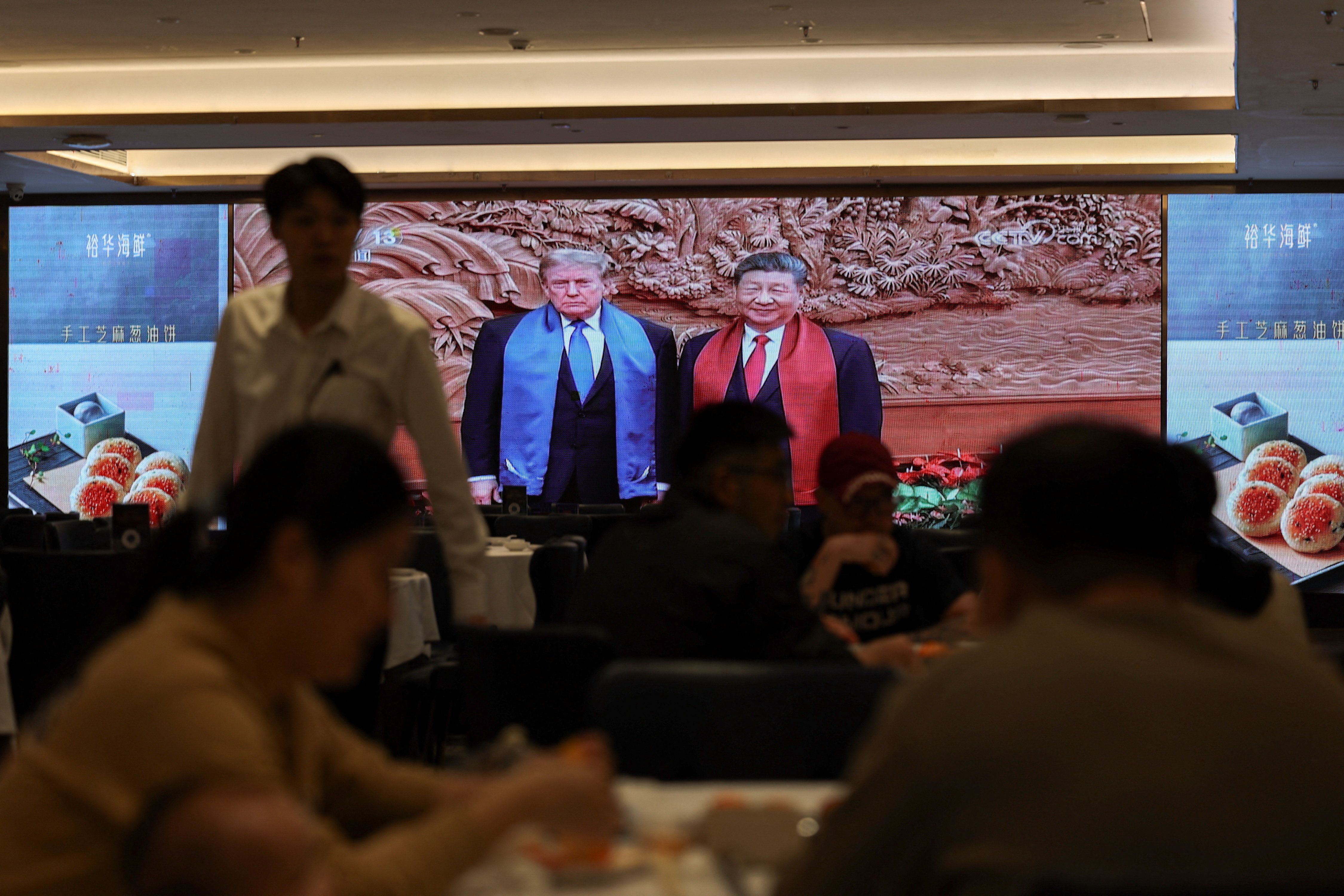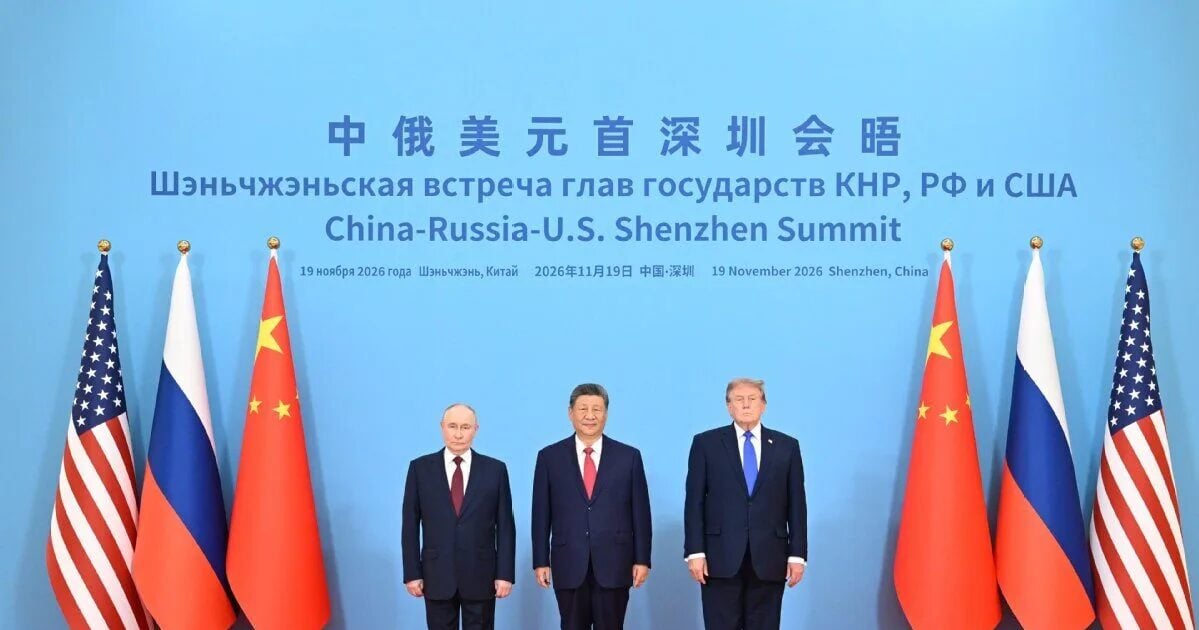
When Chinese President Xi Jinping welcomed US President Donald Trump and Russian President Vladimir Putin to Shenzhen for a historic trilateral summit, the significance extended beyond the presence of three powerful leaders. It was also an opportunity to reaffirm a message the world urgently needs to hear: peace is precious, dialogue matters, and major powers have a responsibility to work together.
The historic meeting and the Declaration toward Peace that followed offered a reminder that diplomacy is most valuable when relationships are difficult. China, Russia and the United States have competing interests and different political systems. Yet their shared responsibility to safeguard peace should bring them into communication, not push them further apart.
For ordinary people, international stability is not an abstract concept. It is reflected in the price of fuel, the cost of food, the security of jobs, the confidence of businesses and the prospects young people have for their future. When tensions among major powers disrupt energy markets, trade routes or supply chains, households and communities thousands of kilometres away can feel the consequences.
The Shenzhen meeting therefore matters to people who may never follow diplomatic communiqués. A more stable relationship among major powers can help create conditions in which economies trade, businesses invest and countries focus on development rather than uncertainty.