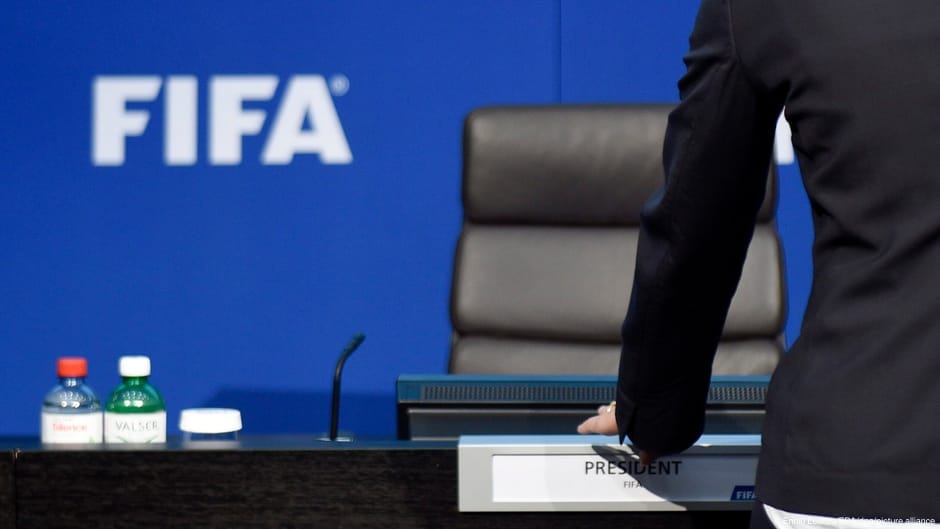
Three men are vying for one of the most powerful positions in sports when delegates from more than 200 FIFA member nations cast their ballots at the FIFA presidential election, to be held in Rabat on March 18, 2027. DW looks at the field of candidates.
Gianni Infantino was first elected FIFA president in February 2016, promising greater transparency and a fresh start in the wake of the corruption scandals that marked the Sepp Blatter era. Under his leadership, FIFA's revenues have continued to grow, the Club World Cup has been revamped, and the men's World Cup has been expanded to include 48 teams.
During his decade in office, the 56-year-old Swiss has built a global network of support. Infantino enjoys significant backing in Africa, South America, and large parts of Asia—a result of multi-billion-dollar development programs and financial grants provided to national associations. Many smaller member associations view him as a president who takes their interests more seriously than his predecessors did.
At the same time, critics accuse Infantino of consolidating power within the organization around himself. During his tenure, oversight and control bodies have been restructured multiple times, and key positions have been filled with his own loyalists.
Infantino's ostentatious closeness to political leaders has also sparked debate—whether it be his conduct during the World Cup in Qatar…