

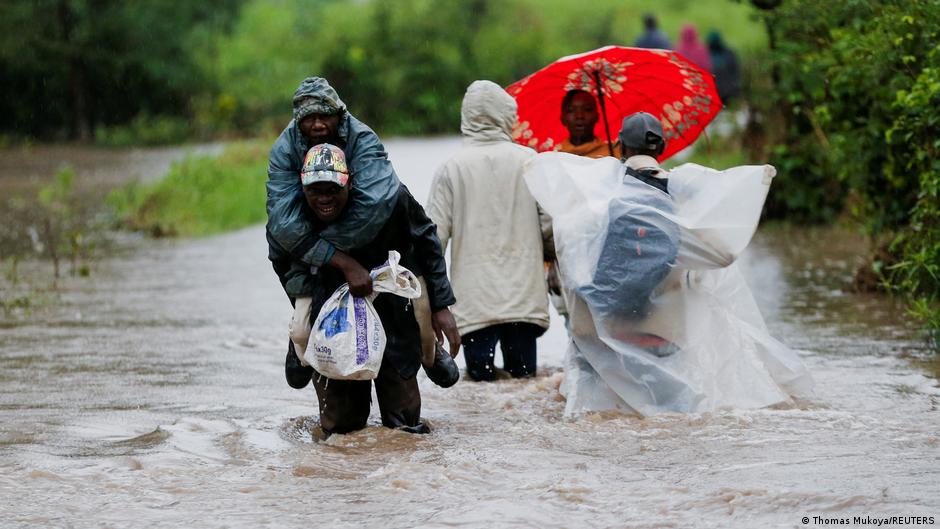
For millions across the continent, climate change is no longer an abstract environmental concern debated in conference halls. It is already reshaping daily life, livelihoods and even decisions about where people can live.
In Zimbabwe, Harare resident Tsitsi Moyo says the effects are becoming increasingly difficult to ignore. "The extreme heat wave we have been experiencing I think also has issues to do with rainfall patterns."
Jane Okello has witnessed similar changes in Uganda, describing increasingly erratic weather, including periods of unusually heavy rainfall associated with El Nino.
Their experiences reflect a wider trend across the continent. Communities that depend on predictable seasons for agriculture, water supplies and income are finding it harder to plan for the future as weather patterns become more extreme and less reliable.
To view this video please enable JavaScript, and consider upgrading to a web browser that supports HTML5 video
For some, the consequences go beyond disrupted harvests or shrinking water supplies. Climate pressures are also influencing migration patterns. According to Professor Alfred Ngomanda, Permanent Secretary of the Gabon Climate Council, environmental stress can push people to leave their homes in search of more favorable conditions and more secure livelihoods.
Climate change is rarely the sole reason people migrate.