

People who are almost always lonely may be at higher risk of developing dementia, according to a new study that tracked ageing adults over three decades.There is no current cure for dementia, which affects 57 million people worldwide. But a combination of genetic and lifestyle factors, such as exercise, alcohol and smoking, can affect people’s risk of developing the condition. According to an expert group convened by the Lancet, social isolation is another risk factor.Researchers from the University of Bordeaux set out to measure that risk. They found that older adults who were chronically lonely had a 38% higher risk of developing dementia compared to those who never felt lonely.Notably, occasional loneliness was not significantly linked to dementia risk, according to the study, which was published in the journal Aging & Mental Health.“This distinction is critical,” said Karine Pérès, one of the study’s authors and a senior researcher at the Bordeaux Population Health Centre.“While most people experience loneliness at some point in their lives, it is when loneliness becomes chronic and persistent that it may increase the risk of developing dementia,” she said.The researchers analysed data for 3,777 older adults who were tracked from 1988 to 2018. They classified people as “never lonely,” "occasionally lonely” or “chronically lonely” based on four research visits over an eight-year period.
Chronic loneliness linked to higher dementia risks in new study
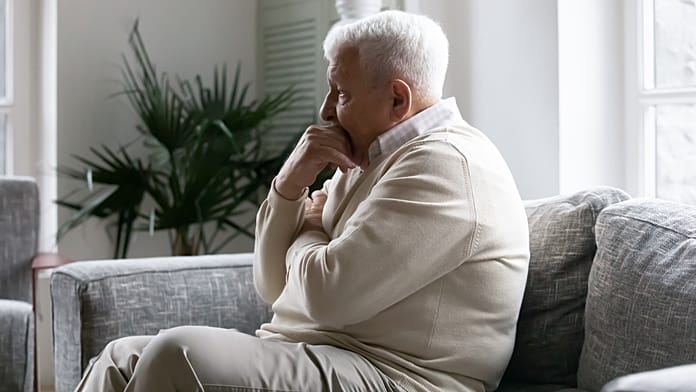
A French research team tracked people’s loneliness and dementia risk over 30 years.
In brief
People who are almost always lonely may be at higher risk of developing dementia, according to a new study that tracked ageing adults over three decades.There is no current cure for dementia, which affects 57 million people worldwide. They classified people as “never lonely,” "occasionally lonely” or “chronically lonely” based on four research visits over an eight-year period.
This is the opening of the story, shared with credit to Euronews. The rest of the report — with every detail — continues on the publisher’s website.
Continue reading at Euronews ↗