📰 Newspapers

Japan down to last captive sea otter as species remains endangered

Japan down to last captive sea otter as species remains endangered

The world’s wild sea otter population has plummeted due to overhunting for fur.

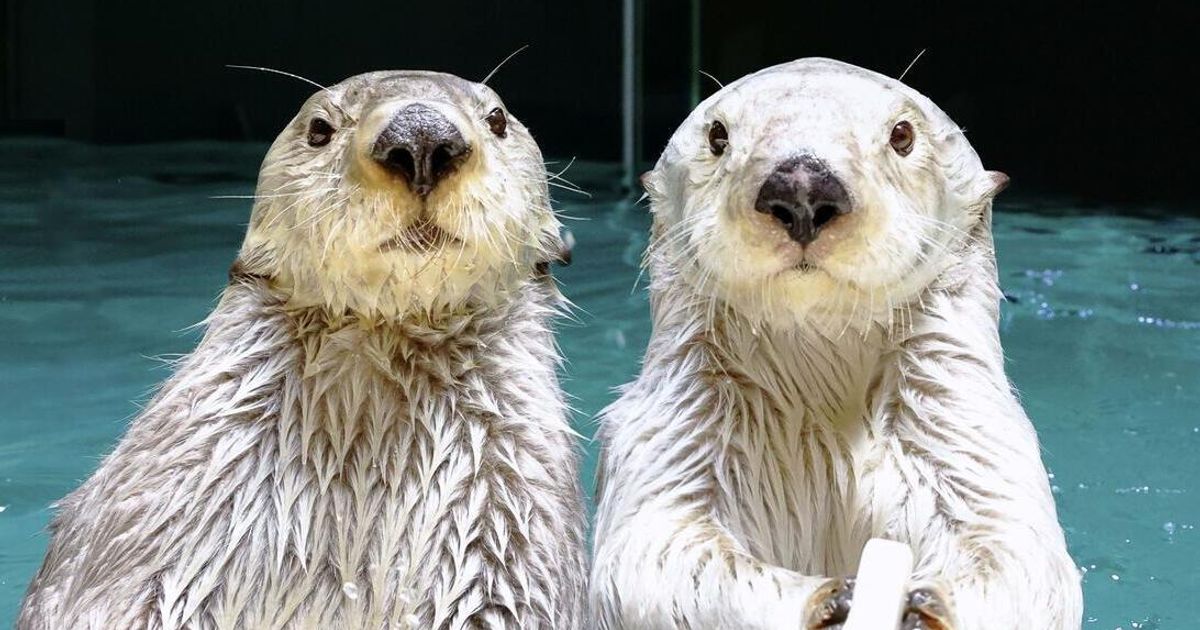
TOKYO – Japan has been left with just one endangered sea otter in captivity, down from over a hundred several decades ago, after 18-year-old female Kira died at an aquarium in early November.

Around 250 people stood in line before the gates opened at Toba Aquarium in central Japan’s Mie Prefecture on the day public viewing of May, a 22-year-old female that had been kept together with Kira, resumed about a week after the latter’s death.

“I loved Kira-chan so much. I hope May-chan stays healthy although she is already quite old,” said Yume Abiru, a 19-year-old university student from Kawasaki, near Tokyo.

The average lifespan of sea otters in captivity is typically around 20 years.

The world’s wild sea otter population, estimated at 150,000 to 300,000 in the early 18th century, has plummeted due to overhunting for fur. Although numbers improved through international conservation efforts, the International Union for Conservation of Nature classified the species as endangered in 2000.

At its peak, Japan had 122 sea otters in captivity in 1994, but the number gradually declined due to difficulties in breeding them. Imports have also stopped due to US regulations and other reasons.

Kira was born in 2008 at Adventure World in Shirahama of Wakayama Prefecture in western Japan and was transferred to Toba Aquarium in March 2021 to…

In brief

TOKYO – Japan has been left with just one endangered sea otter in captivity, down from over a hundred several decades ago, after 18-year-old female Kira died at an aquarium in early November. Although numbers improved through international conservation efforts, the International Union for Conservation of Nature classified the species as endangered in 2000. Kira was born in 2008 at Adventure World in Shirahama of Wakayama Prefecture in western Japan and was transferred to Toba Aquarium in March 2021 to…

This is the opening of the story, shared with credit to The Straits Times — Asia. The rest of the report — with every detail — continues on the publisher’s website.

Continue reading at The Straits Times — Asia ↗

Cookie settings

Choose which cookies we may use. You can change this at any time from Cookie settings in the footer. Details of each cookie are in the Cookie Policy.

Strictly necessary

Needed for sign-in, security, payments and remembering these choices. Always on.

Preferences

Remember settings such as dark mode.

Analytics & performance

Help us count visits, understand which pages, devices and countries our readers use, and measure how well the site performs – anonymous and aggregated.

Advertising & marketing

Lets advertising partners show and personalise adverts, measure impressions, clicks and visits, prevent ad fraud and pay us – this is how the free site is funded.

🔔 News notifications

Get headlines from NewsHub on this device — even when the site is closed.

You can switch this off at any time. Works on Android, Windows, Mac and Linux browsers; on iPhone/iPad add the site to your Home Screen first.