

Want to bookmark your favourite articles and stories to read or reference later? Start your Independent Membership today.
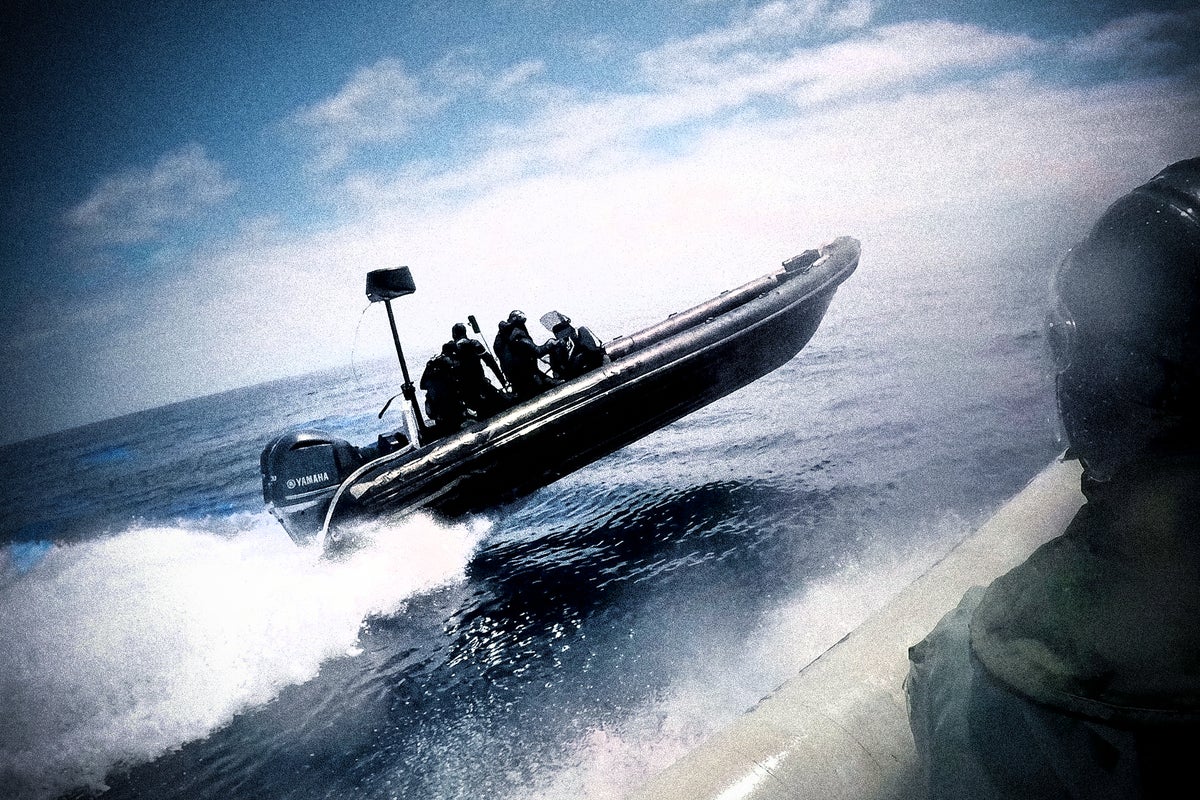
In the dead of night off the coast of Spain’s Cadiz region, a 14-metre long speedboat menacingly circles a small police vessel.
The 1,200-horsepower vehicle dwarfs its 80-horsepower rival. In one swift and devastating move, it bears down on the police vessel, smashing over it and crushing six Guardia Civil officers. Two officers, Miguel Gonzalez and David Carracedo, are killed.
These are the narcolanchas: the terrifyingly-powerful drug speedboats behind the “third wave” of cocaine trafficking in Europe, helping drive consumption in the continent reaches historic highs.
The cocaine is produced almost entirely in Colombia, Peru and Bolivia, with production in South America quadrupling to 4,100 tonnes between 2014 and 2024, according to UN figures.
A major new report into drug trafficking in Europe, set to be published next week by the Global Initiative against Transnational Organised Crime (GI-TOC) and shared in advance exclusively with The Independent, lays bare how the narcolancha cocaine route has become a dominant trend in Europe.
This, say leading experts, a top EU official and a senior security source, is the new story of Europe’s evolving cocaine trade.
Wastewater analysis, one of the most effective methods of measuring consumption, showed a 22 per cent increase between 2024 and…