📰 Newspapers

Special mosquitoes linked to 69% drop in dengue, chikungunya infections

Special mosquitoes linked to 69% drop in dengue, chikungunya infections

Scientists report strong new evidence that specially bred mosquitoes can fend off dengue

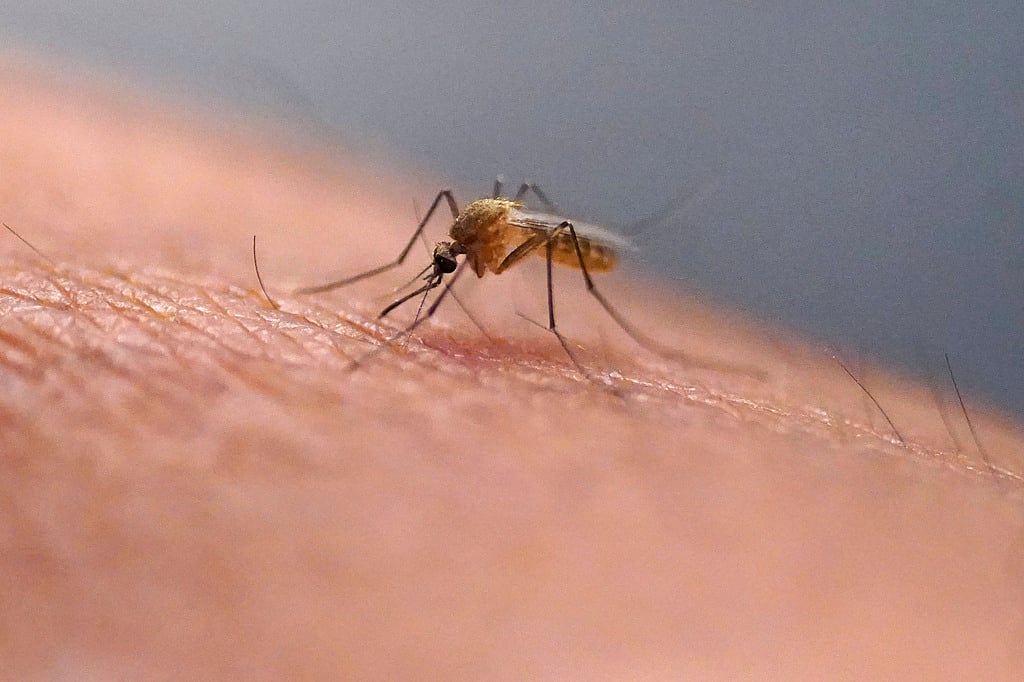
Washington: Children who lived in Brazilian neighborhoods buzzing with a special kind of mosquito were far less likely to catch dengue or another worrisome virus, chikungunya, researchers reported Saturday.

The major study of more than 5,700 children in one of the world’s dengue hot spots offers new evidence that breeding mosquitoes unable to transmit these viruses can be a viable strategy rather than solely relying on pesticides and trying to avoid getting bitten.

Get updated faster and for FREE: Download the Gulf News app now - simply click here.

In neighborhoods populated by these so-called Wolbachia-carrying mosquitoes, researchers found about a 69% reduction in dengue and chikungunya infections in schoolchildren compared to similar neighborhoods — an effect sustained even during Brazil’s severe 2024 dengue outbreak, said Dr. Sri Edupuganti of Emory University, part of the international research team.

The researchers reported the findings at a meeting of the American Society of Tropical Medicine and Hygiene.

“This is really exciting,” said Dr. David Hamer, a global health expert at Boston University who wasn’t involved with the Brazilian study. He predicts that pairing more use of these Wolbachia mosquitoes with existing steps to fight mosquito-borne disease could “knock dengue down to much lower levels” in many places.

The latest research comes as Florida grapples with an unusually large outbreak of the virus…

In brief

Washington: Children who lived in Brazilian neighborhoods buzzing with a special kind of mosquito were far less likely to catch dengue or another worrisome virus, chikungunya, researchers reported Saturday. In neighborhoods populated by these so-called Wolbachia-carrying mosquitoes, researchers found about a 69% reduction in dengue and chikungunya infections in schoolchildren compared to similar neighborhoods — an effect sustained even during Brazil’s severe 2024 dengue outbreak, said Dr.

This is the opening of the story, shared with credit to Gulf News (UAE). The rest of the report — with every detail — continues on the publisher’s website.

Continue reading at Gulf News (UAE) ↗

Cookie settings

Choose which cookies we may use. You can change this at any time from Cookie settings in the footer. Details of each cookie are in the Cookie Policy.

Strictly necessary

Needed for sign-in, security, payments and remembering these choices. Always on.

Preferences

Remember settings such as dark mode.

Analytics & performance

Help us count visits, understand which pages, devices and countries our readers use, and measure how well the site performs – anonymous and aggregated.

Advertising & marketing

Lets advertising partners show and personalise adverts, measure impressions, clicks and visits, prevent ad fraud and pay us – this is how the free site is funded.

🔔 News notifications

Get headlines from NewsHub on this device — even when the site is closed.

You can switch this off at any time. Works on Android, Windows, Mac and Linux browsers; on iPhone/iPad add the site to your Home Screen first.