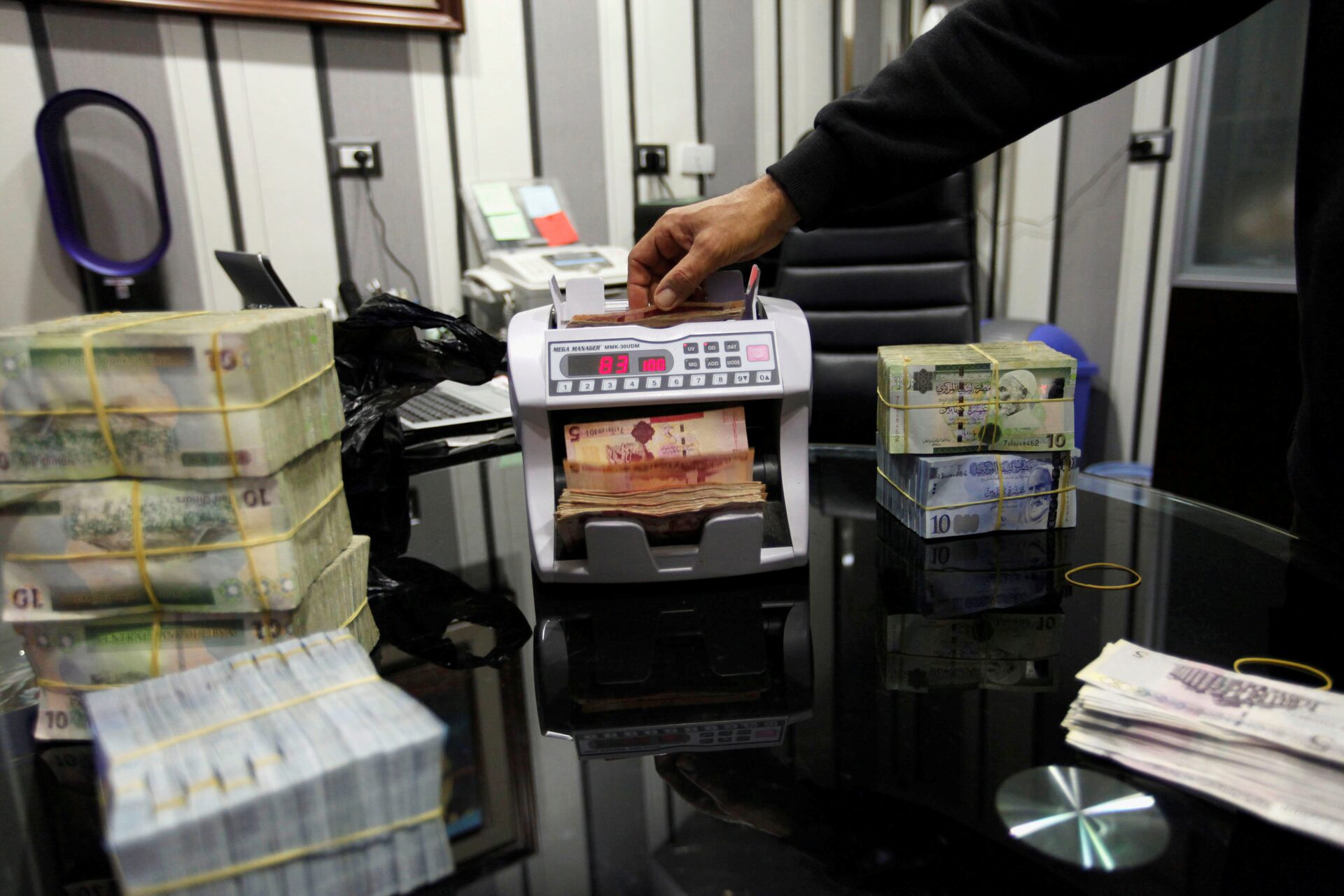
Libya entered this month pumping 1.43 million barrels of crude a day and banking more than $15.2 billion in oil export revenue in the first half of the year alone. The parallel-market dollar, meanwhile, climbed past 10.5 dinars against an official rate frozen near 6.5. Annual inflation had already reached nearly 17 percent in September; food and beverage prices were up by 21 percent, with clothing and footwear well over 25 percent. In a nutshell, a state with Africa’s largest proven reserves is watching its currency lose more than 45 percent of its dollar value even as tankers queue at its terminals.
The mechanics behind that contradiction run through Libya’s fiscal plumbing. A unified budget of 190 billion dinars, the first consolidated spending plan since 2013, was signed in April this year, yet recurrent outlays — salaries, subsidies, and transfers — absorb roughly 85 percent of it. The International Monetary Fund estimated a fiscal deficit of over a quarter of gross domestic product in 2025, with public debt nearly doubling in two years. Higher oil prices briefly covered the gap. However, the Central Bank of Libya still recorded a $4.7 billion foreign-currency deficit in the first nine months of 2026 as dollar obligations outran oil receipts.