Questions are mounting within the bloc led by Yashar chairman Gadi Eisenkot over whether Naftali Bennett's push for a unity government is also intended to position him as Prime Minister Benjamin Netanyahu's eventual successor, as Eisenkot and Avigdor Liberman pursue competing paths toward forming a coalition ahead of the December 6 deadline.If Bennett is seeking to establish himself as Netanyahu's future successor as leader of Israel's right-wing, the move makes political sense, even if sources within the Eisenkot-led bloc believe its chances of succeeding are slim.In the next election, Bennett could present himself as someone who tried to establish a unity government and did not rule out cooperation with Likud from the outset. Even if the talks fail, he could argue that he sought to form a broad government but that his prospective partners were unwilling to compromise. Meanwhile, Eisenkot is preparing for the possibility that coalition negotiations will fail.This possibility has raised suspicions among figures in the Eisenkot-led bloc, who believe Bennett is promoting the idea of a unity government while Eisenkot and Liberman bear most of the political cost of negotiations with the haredi (ultra-Orthodox) parties.While the two are exploring compromises over military conscription that could provoke opposition among their voters, Bennett continues to emphasize his commitment to those who serve in the military.Bennett's unity government ambitions raise…
Bennett eyes Netanyahu's political legacy as Eisenkot's coalition clock ticks - analysis
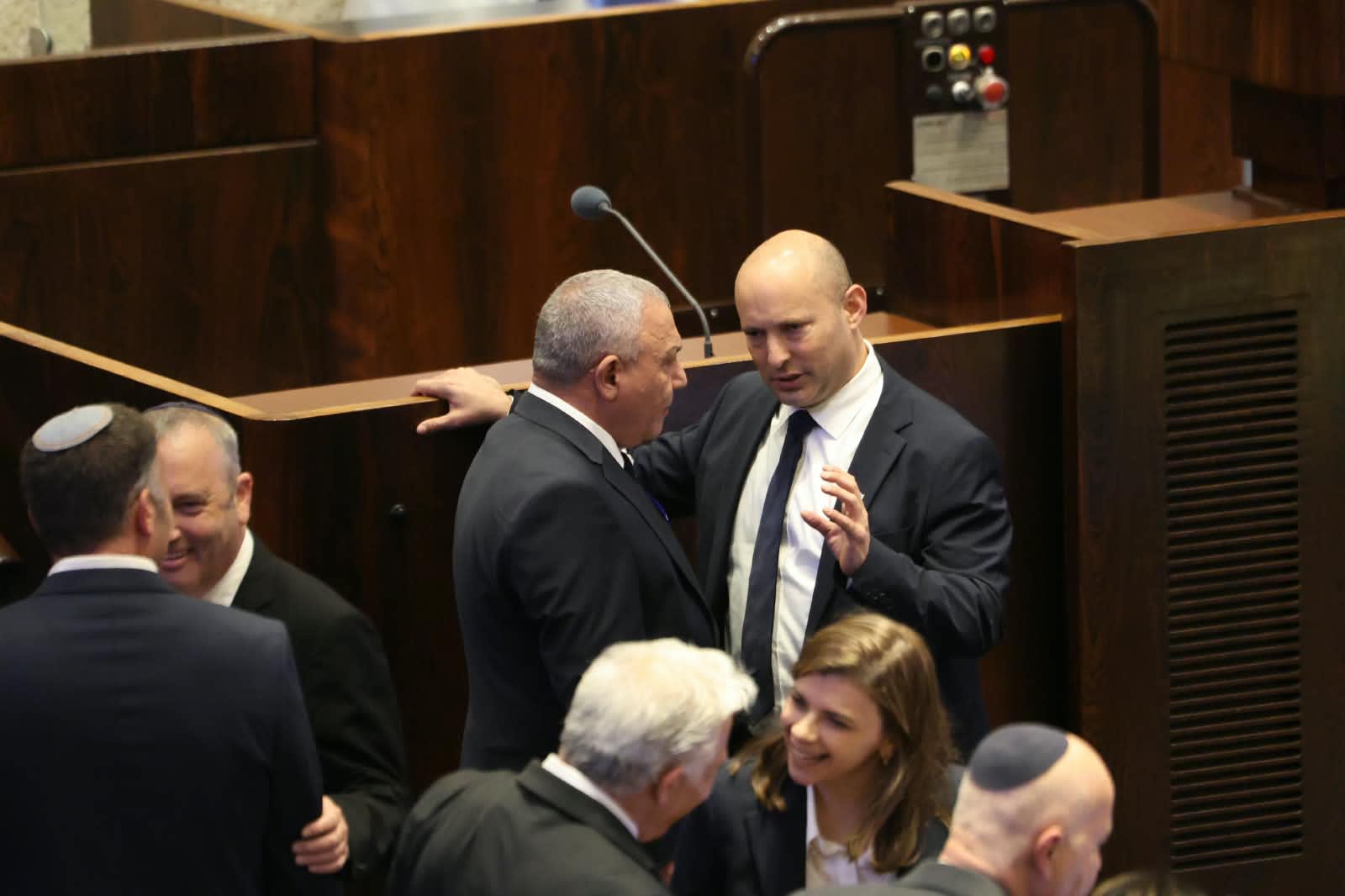
Bennett's unity government ambitions raise suspicions as Eisenkot faces a December 6 deadline and Liberman struggles to secure a haredi draft compromise.
In brief
Questions are mounting within the bloc led by Yashar chairman Gadi Eisenkot over whether Naftali Bennett's push for a unity government is also intended to position him as Prime Minister Benjamin Netanyahu's eventual successor, as Eisenkot and Avigdor Liberman pursue competing paths toward forming a coalition ahead of the December 6 deadline.If Bennett is seeking to establish himself as Netanyahu's future successor as leader of Israel's right-wing, the move makes political sense, even if sources within the Eisenkot-led bloc believe its chances of succeeding are slim.In the next election, Bennett could present himself as someone who tried to establish a unity government and did not rule out…
This is the opening of the story, shared with credit to The Jerusalem Post. The rest of the report — with every detail — continues on the publisher’s website.
Continue reading at The Jerusalem Post ↗