📰 Newspapers

Help wounded IDF soldiers get the help they need - Sponsored Content

Help wounded IDF soldiers get the help they need - Sponsored Content

Your donation provides a JIJ lawyer for wounded IDF soldiers from their first filing to the final ruling.

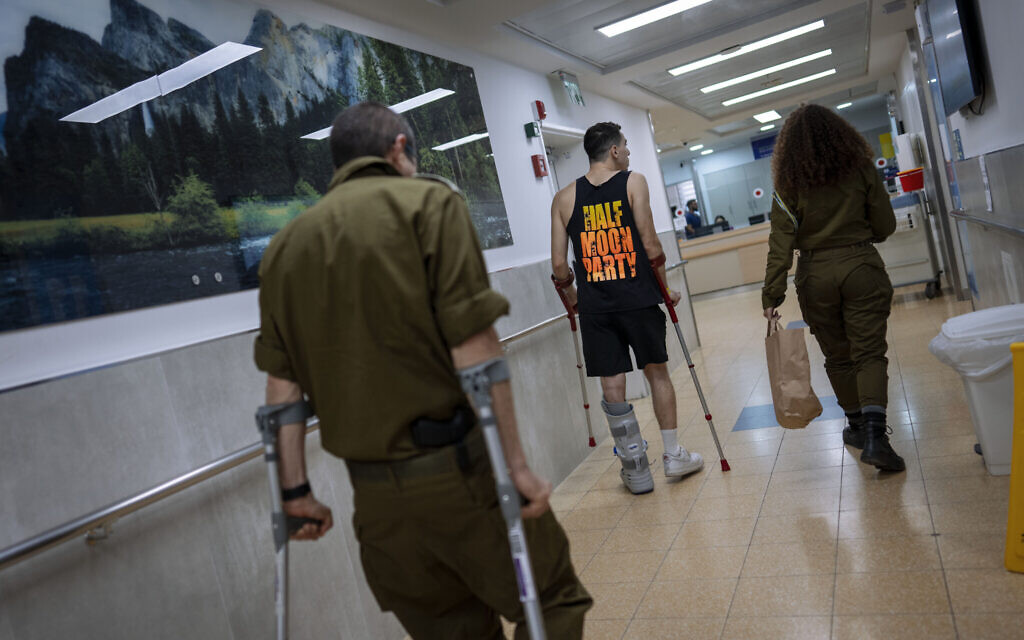
Over 30,000 IDF soldiers have been wounded since October 7. Invisible wounds require the same urgency as physical ones, yet soldiers often face a long, complicated process of hearings, medical committees, and appeals before they receive the recognition and treatment they need.

“I felt like I was being tortured. After everything I contributed, I still had to prove I was really suffering.”

Eitan returned from combat in Gaza at 22, carrying invisible wounds. Flashbacks and severe PTSD made sleep impossible. Instead of immediate care, he faced a detached military bureaucracy that demanded he repeatedly prove his trauma was real.

JIJ attorney Gai Akoka stepped in. He fought the state through every hearing until Eitan received complete recognition of his disability status, securing his vital treatment and benefits.

Soldiers coming home with PTSD, traumatic brain injuries, and spinal cord injuries face a second battle: a bureaucracy that denies, delays, and buries legitimate claims.

Where the system fails, JIJ’s legal team steps in. We fight combat injury denials, secure disability recognition, and recover the benefits soldiers are owed. Invisible wounds require the same urgency as physical ones. With donor support, JIJ:

Your gift puts a free JIJ attorney beside a soldier like Eitan from the first filing to the final ruling, so he can focus on healing instead of proving his own…

In brief

Over 30,000 IDF soldiers have been wounded since October 7. Invisible wounds require the same urgency as physical ones, yet soldiers often face a long, complicated process of hearings, medical committees, and appeals before they receive the recognition and treatment they need. We fight combat injury denials, secure disability recognition, and recover the benefits soldiers are owed. Invisible wounds require the same urgency as physical ones.

This is the opening of the story, shared with credit to The Times of Israel. The rest of the report — with every detail — continues on the publisher’s website.

Continue reading at The Times of Israel ↗

Cookie settings

Choose which cookies we may use. You can change this at any time from Cookie settings in the footer. Details of each cookie are in the Cookie Policy.

Strictly necessary

Needed for sign-in, security, payments and remembering these choices. Always on.

Preferences

Remember settings such as dark mode.

Analytics & performance

Help us count visits, understand which pages, devices and countries our readers use, and measure how well the site performs – anonymous and aggregated.

Advertising & marketing

Lets advertising partners show and personalise adverts, measure impressions, clicks and visits, prevent ad fraud and pay us – this is how the free site is funded.

🔔 News notifications

Get headlines from NewsHub on this device — even when the site is closed.

You can switch this off at any time. Works on Android, Windows, Mac and Linux browsers; on iPhone/iPad add the site to your Home Screen first.