

Iraq has taken an important step toward reasserting government authority in Jurf al-Nasr, an area south of Baghdad that has long been associated with the influence of Iranian-backed militias. Kataib Hezbollah has controlled this place for a decade, displacing Sunni Iraqis who used to live there, and using the site for oil smuggling and also for other illegal activities. It is likely they also had a secret prison at the site. Iraqi officials said Saturday that the Federal Police have taken control of three major checkpoints, while army units and Energy Police have deployed to secure roads and oil infrastructure.The developments represent a test of Baghdad's ability to bring areas controlled by powerful Iranian-backed groups under more direct state supervision. Jurf al-Nasr, also known as Jurf al-Sakhar, has been a particularly important and symbolic location because of its strategic position between Baghdad, Anbar and Karbala. It is the first test of the government of Prime Minister Ali al-Zaidi to rein in the militias and disarm them.The latest redeployment involves the Iraqi Army, Federal Police and Popular Mobilization Forces (PMF), according to reports by the Iraqi News Agency (INA). Officials say the transition is proceeding smoothly and could be completed within weeks.
Iraq moves to reclaim Kataib Hezbollah stronghold as Baghdad tests its authority - analysis
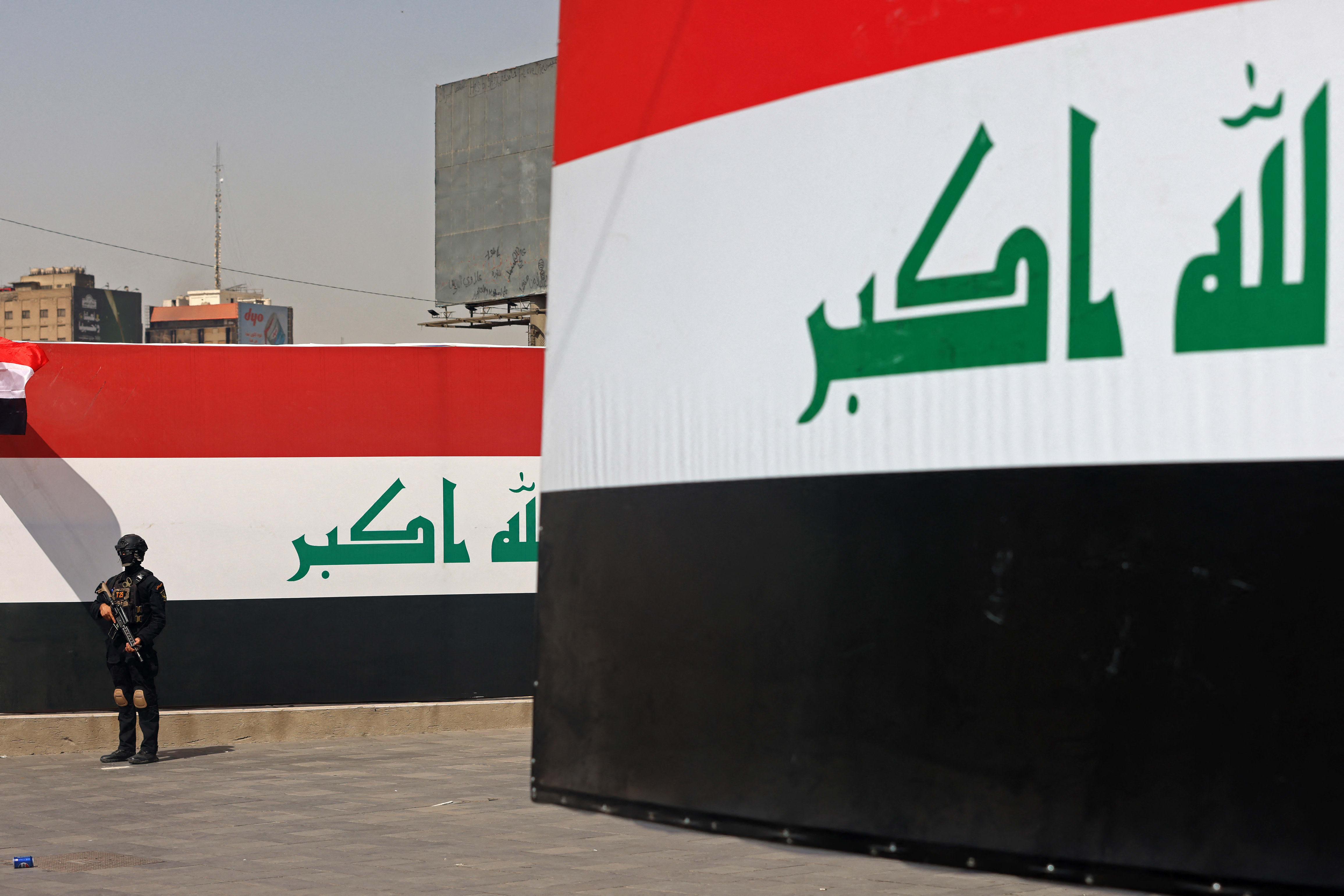
Iraqi security forces have taken control of key checkpoints in a long-standing Kataib Hezbollah stronghold, testing Baghdad's ability to curb Iranian-backed militias.
In brief
Iraq has taken an important step toward reasserting government authority in Jurf al-Nasr, an area south of Baghdad that has long been associated with the influence of Iranian-backed militias. Iraqi officials said Saturday that the Federal Police have taken control of three major checkpoints, while army units and Energy Police have deployed to secure roads and oil infrastructure.The developments represent a test of Baghdad's ability to bring areas controlled by powerful Iranian-backed groups under more direct state supervision.
This is the opening of the story, shared with credit to The Jerusalem Post. The rest of the report — with every detail — continues on the publisher’s website.
Continue reading at The Jerusalem Post ↗