📰 Newspapers

Rare Qing Dynasty pieces auctioned in Malaysia

Rare Qing Dynasty pieces auctioned in Malaysia

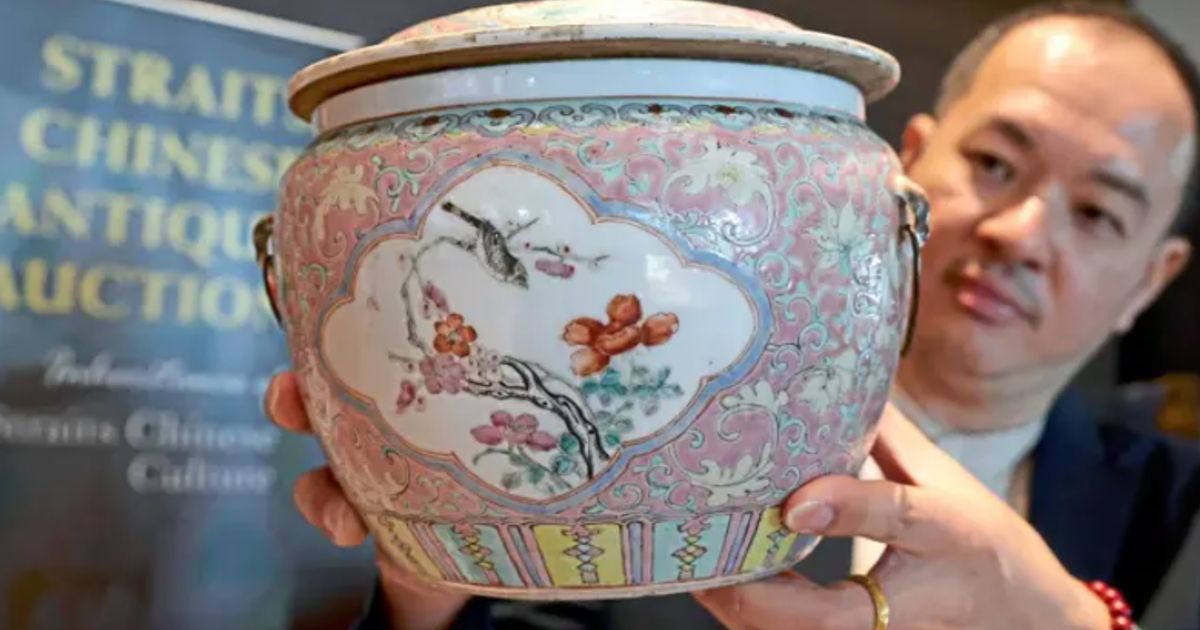
A late Qing Dynasty porcelain jar in the famille rose style fetched RM1,700 (S$530), the highest bid at the auction.

GEORGE TOWN, Penang - Unique Peranakan antique porcelain crafted during the Qing Dynasty went under the hammer at the 37th International Baba Nyonya Convention in Penang.

The auction featured antiques dating from the Qing Dynasty, which ruled China from 1644 to 1912, with Peranakan porcelain stealing the limelight.

Intricately painted using pigments traditionally derived from iron and gold compounds, the porcelain pieces displayed rich shades of red, pink and blue, showcasing techniques that predated modern industrial production.

A late Qing Dynasty porcelain jar, called a kamcheng, in the famille rose (French for “pink family”) style fetched RM1,700 (S$530), the highest bid at the auction.

Registered auctioneer Stephen Soon said the jar is believed to be more than 100 years old, dating from the late Qing Dynasty to the early Republican period.

Decorated with lotus flowers, plum blossoms, magpies and mandarin ducks, the 12.7cm-wide jar reflected the tastes of wealthy Straits-born Chinese families.

Soon said its pink background made it more valuable than the more common white-ground porcelain.

He said wealthy Peranakan families traditionally commissioned porcelain from the city of Jingdezhen in China, favouring colourful floral designs and auspicious symbols.

Baba Nyonya porcelain was particularly known for its bright colours, including green and pink, which mirrored traditional Nyonya kebaya fashion.

In brief

GEORGE TOWN, Penang - Unique Peranakan antique porcelain crafted during the Qing Dynasty went under the hammer at the 37th International Baba Nyonya Convention in Penang. The auction featured antiques dating from the Qing Dynasty, which ruled China from 1644 to 1912, with Peranakan porcelain stealing the limelight. Baba Nyonya porcelain was particularly known for its bright colours, including green and pink, which mirrored traditional Nyonya kebaya fashion.

This is the opening of the story, shared with credit to The Straits Times — Asia. The rest of the report — with every detail — continues on the publisher’s website.

Continue reading at The Straits Times — Asia ↗

Cookie settings

Choose which cookies we may use. You can change this at any time from Cookie settings in the footer. Details of each cookie are in the Cookie Policy.

Strictly necessary

Needed for sign-in, security, payments and remembering these choices. Always on.

Preferences

Remember settings such as dark mode.

Analytics & performance

Help us count visits, understand which pages, devices and countries our readers use, and measure how well the site performs – anonymous and aggregated.

Advertising & marketing

Lets advertising partners show and personalise adverts, measure impressions, clicks and visits, prevent ad fraud and pay us – this is how the free site is funded.

🔔 News notifications

Get headlines from NewsHub on this device — even when the site is closed.

You can switch this off at any time. Works on Android, Windows, Mac and Linux browsers; on iPhone/iPad add the site to your Home Screen first.