French activists and lawmakers are demanding after recent protests that police stop using tear gas because of rising concerns about menstrual changes and reproductive health issues
PARIS -- French activists and lawmakers are demanding after recent street protests that authorities suspend the use of tear gas to disperse crowds over concerns it's caused menstrual changes and other reproductive health problems, though scientists have not confirmed a medical connection.
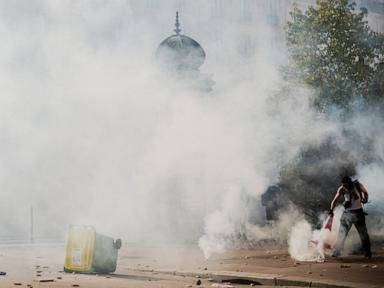
The demands come after police used tear gas during student protests and demonstrations over the cost of living, some marred by violence. Some women reported painful cramps, unexpected bleeding and disrupted menstrual cycles after exposure, and an advocacy group says it has collected more than 10,000 complaints. Opposition lawmakers are seeking a ban and independent research into possible health effects.
Interior Minister Laurent Nuñez has rejected the calls, saying police use of tear gas is essential to crowd control as an alternative to using more dangerous weapons.
Here’s what is known — and what is not — about tear gas and reproductive health.
Tear gas grenades used by French police contain CS, a chemical irritant that affects the eyes, skin and respiratory tract. CS is a crystalline powder dispersed into the air as fine particles. Its effects depend upon how much is used and how long people are exposed to it.