Want to bookmark your favourite articles and stories to read or reference later? Start your Independent Membership today.
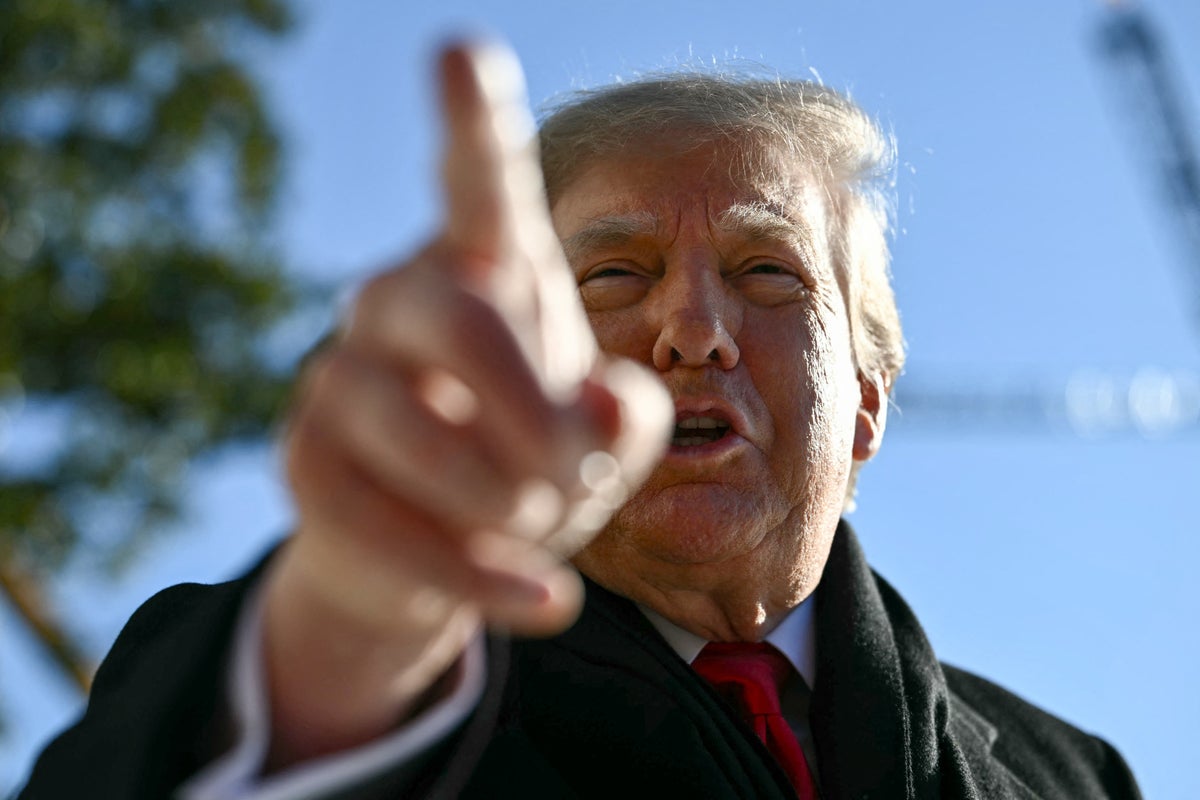
“Pretend, please, that I’m on the ballot,” President Donald Trump said at a rally in South Carolina in August, weeks before his party’s midterm shellacking. He continued his pleas, almost daily, when traveling across the country to stump for Republicans in the lead-up to the election. But then came the blue tsunami.
As Trump saw the big blue waves crashing into reliably red states, handing the Democrats control of the House and Senate, he ducked.
“I was not on the ballot, but I campaigned hard for some people, and I think if I was on the ballot, it would have been a much different situation because you saw the level of popularity and love,” Trump told 60 Minutes correspondent Ross Douthat the Sunday after the crushing midterm defeat on November 3. “There was love with massive rallies. You had to transfer those voters, however, to candidates that they didn't like.”
Trump came close in that interview to taking some responsibility, admitting that the war he started in Iran in late February, which caused gas prices to soar, wasn’t popular with voters. But then he used his common defense tactic of shifting the blame onto the media for unfavorable coverage.