She who has no name, no identity and no parents to tell her story. Yet, more than 2,000 years after her death, the remains of a young woman, discovered in a Northern Ireland bog, are revealing fragments of a life that time had nearly erased.The only thing we knew about her was that she was a woman. No name, no family history, no account of the life she lived or the circumstances that led to her death. Even after more than 2,000 years, her identity remains unknown. There is something deeply unsettling about how little of her story has survived, particularly when the history of ancient societies has so often been pieced together through the lives, achievements and accounts of men. Now, through an unusual investigation in Belfast, researchers are attempting to give a voice to a woman whose story was never recorded, using the few physical traces she left behind.According to National Museums NI, which led the research into the discovery, the remains were initially believed to belong to a female aged between 13 and 17. However, further osteoarchaeological examination revealed that the individual was most likely a young woman aged between 17 and 22.
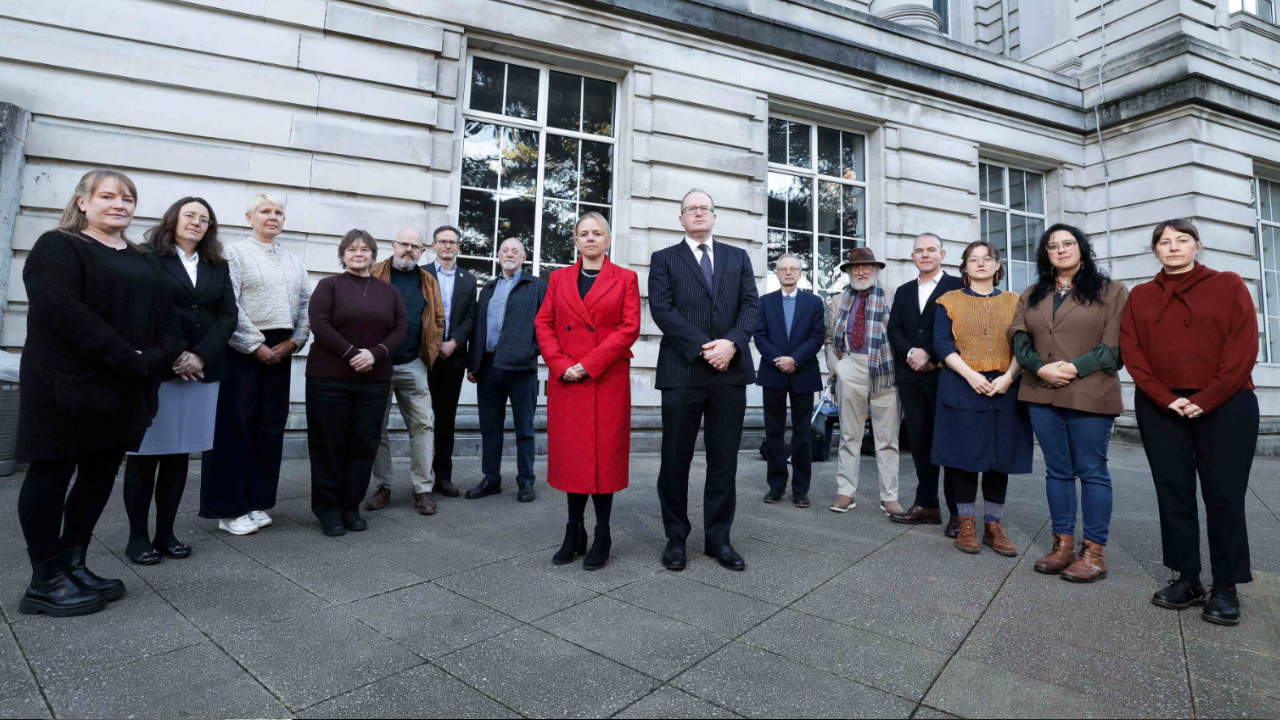
A teenage girl found headless in a Northern Ireland bog in 2023 died up to 2,300 years ago, and a mock coroner’s inquest in Belfast has now pieced together her height, diet and how she was struck
Recent findings of the Ballymacombs More Woman's remains in a Northern Ireland bog are unlocking fascinating details about her life in the Iron Age, circa 343 BCE to 1 BCE. An in-depth analysis reveals she suffered a violent decapitation, likely part of a ritualistic act. Such research is crucial as it provides a greater understanding of the social and cultural practices of ancient communities.
In brief
She who has no name, no identity and no parents to tell her story. Yet, more than 2,000 years after her death, the remains of a young woman, discovered in a Northern Ireland bog, are revealing fragments of a life that time had nearly erased.The only thing we knew about her was that she was a woman. Even after more than 2,000 years, her identity remains unknown. However, further osteoarchaeological examination revealed that the individual was most likely a young woman aged between 17 and 22.
This is the opening of the story, shared with credit to The Times of India — World. The rest of the report — with every detail — continues on the publisher’s website.
Continue reading at The Times of India — World ↗