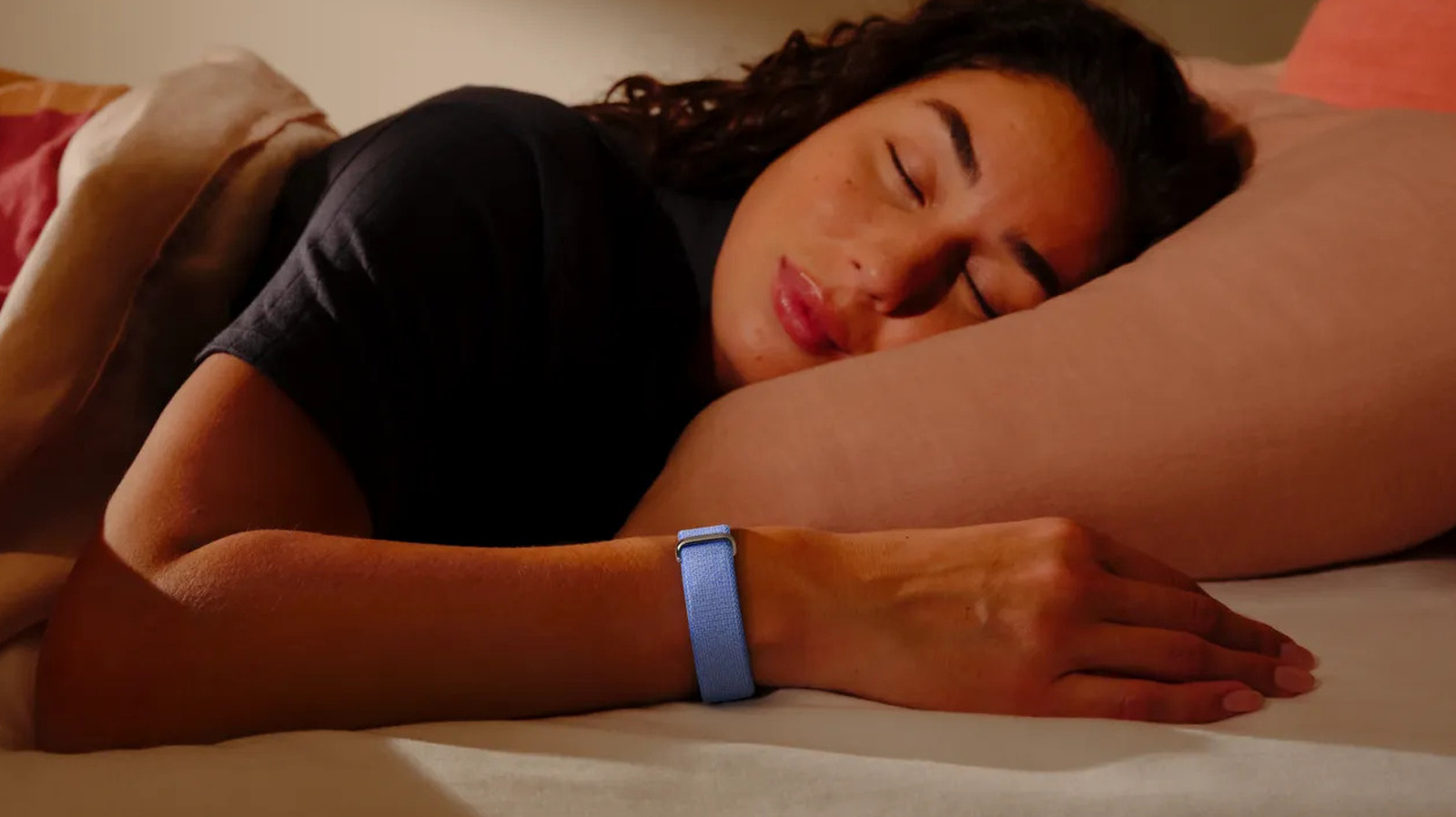
Longevity is a major factor to consider with any fitness wearable. It's meant to be used 24/7, and its subject to conditions that would wreck many other products, from accidental knocks and scrapes to heavy deadlift sessions. As gadgets go, there are few things worse than discovering you're out a few hundred dollars because your tracker wasn't sufficiently sweatproof.
There's more to longevity than durability, though. There's also battery health, not to mention software support, since a tracker is useless if you can't sync and browse its data. At some point, end of support is virtually guaranteed — it's just a question of whether that will be before or after you're ready to move on.
How long can you expect a new product like the Fitbit Edge or Fitbit Air to last? While we obviously can't say for certain, info from Google, third parties and my own personal experience with wearables may be helpful.
Let's return to durability for a moment. Most impacts are only going to do cosmetic damage, as long as you don't destroy the screen or button(s), so the greater concern is water resistance. A product like the Edge has an IP68 rating, meaning it can be submerged and keep running, but that's only for as long as its liquid protection seals hold up.