

Paintings, much like the stories they tell, can sometimes survive long after the people who created them are gone. They travel through generations, pass from one owner to another and find themselves in places far removed from the galleries and collections where one might expect to find them. Some are carefully preserved, while others spend decades hanging unnoticed on walls, their significance lost to time. Yet, every once in a while, an ordinary discovery brings one of these forgotten works back into the spotlight, reminding us that the value of art is not always immediately apparent.Something rather remarkable happened when a British shopper walked into a charity shop in Bracknell, Berkshire, and came across a landscape painting priced at just £20. What appeared to be an inexpensive purchase turned out to be a long-lost work by 19th-century artist Nicholas Chevalier, which had remained unaccounted for in records for around 160 years. Now identified as Cape Schanck, Victoria, the painting is expected to fetch up to £20,000 when it goes under the hammer in December.According to a report by James Podesta, published in The Independent on November 20, 2026, the painting was discovered earlier this year by a shopper browsing a charity shop in Bracknell, Berkshire.
A British shopper paid just £20 for a painting at a charity shop, then an expert identified it as a 160-year-lost Nicholas Chevalier landscape; it is now expected to fetch up to £20,000 at a December auction
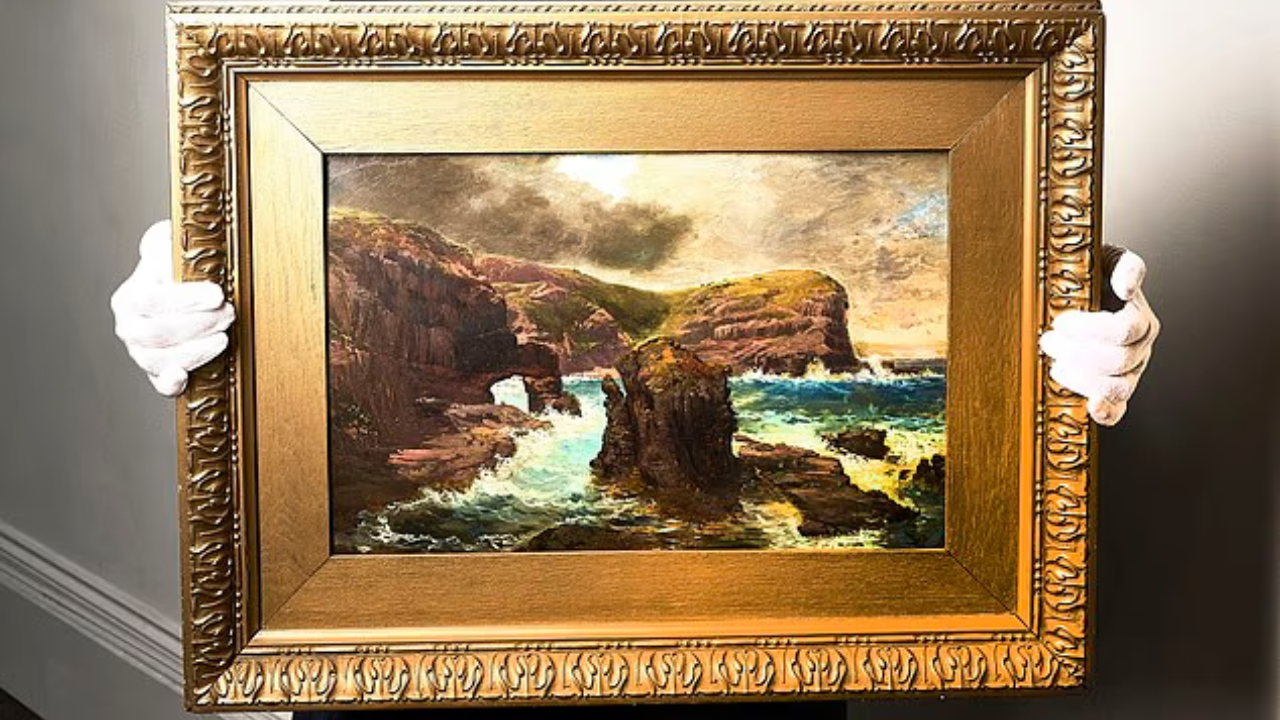
A British shopper found a painting attributed to 19th-century artist Nicholas Chevalier for only £20 in a charity shop. After purchase, the buyer sought an expert's opinion which confirmed the painting's significance. The artwork, named Cape Schanck, Victoria, had been lost for around 160 years. This discovery reconnects the painting with Chevalier's historical records, offering a glimpse into his artistic process.
In brief
Paintings, much like the stories they tell, can sometimes survive long after the people who created them are gone. Now identified as Cape Schanck, Victoria, the painting is expected to fetch up to £20,000 when it goes under the hammer in December.According to a report by James Podesta, published in The Independent on November 20, 2026, the painting was discovered earlier this year by a shopper browsing a charity shop in Bracknell, Berkshire.
This is the opening of the story, shared with credit to The Times of India — World. The rest of the report — with every detail — continues on the publisher’s website.
Continue reading at The Times of India — World ↗