By Peter Hobson, Simon Jessop, Valerie Volcovici and Sarah McFarlane
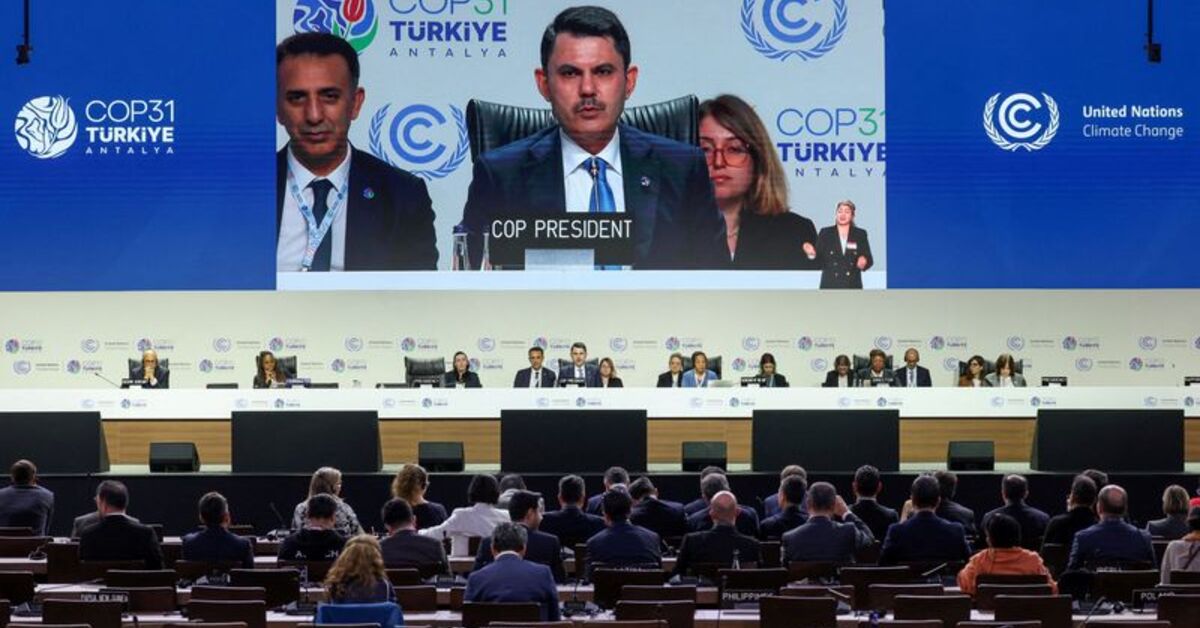
ANTALYA, Turkey, Nov 23 (Reuters) - The collapse of COP31 talks in Turkey on Sunday without a political agreement left exhausted negotiators questioning the future of a process that for three decades has led the global fight against climate change.
For the small, vulnerable countries most exposed to rising sea levels and the increasingly extreme weather scientists link to rising carbon emissions, annual UN conferences are their chance to draw the world's attention to their plight and seek financial help.
But the failure of the Turkish talks, which follows on from weak outcomes at other COPs in recent years, lays bare the need for change.
Andres Martin Garrido Sanchez, director of environment in Peru's Ministry of Foreign Affairs, said "the credibility of the process" was at stake.
"This system needs in-depth reforms," he said.
Simon Stiell, the UN climate chief representing the UN convention that underpins international climate talks, said the consensus-based system can still function, but work was needed.
"I have taken steps in engaging external knowledge leaders in advising on areas of potential reform. That is something I will be championing with considerable effort as we leave here," he said as the talks ended on Sunday.