

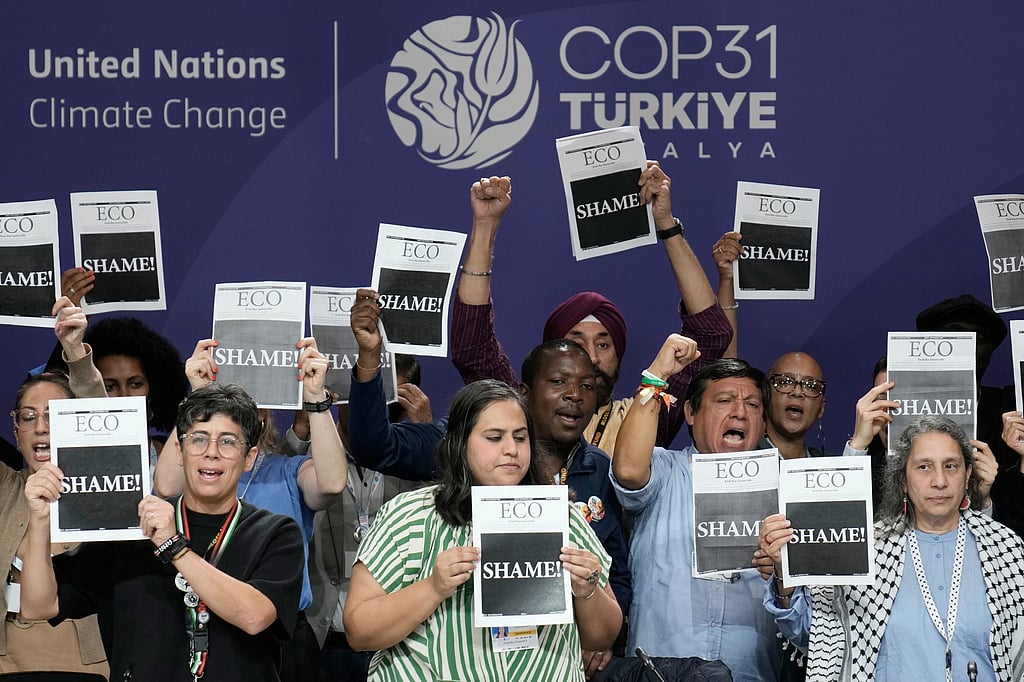
The COP31 climate summit in Turkey ended in failure on Sunday after nearly 200 countries failed to agree on a common plan to confront global warming. The talks in Antalya ran more than 49 hours beyond their scheduled conclusion, making them the longest UN climate negotiations on record.
The breakdown exposed deep divisions between oil-producing nations and countries demanding stronger action against fossil fuels. Disagreements over climate finance, carbon capture technologies and scientific assessments further complicated negotiations.
UN Secretary-General Antonio Guterres expressed profound frustration at the outcome, while UN climate chief Simon Stiell warned: “The world cannot afford a repeat.”
Here is what went wrong, why it matters and what could happen next.
Why did COP31 fail?
The immediate cause was disagreement over whether the summit’s final political declaration, known as a “cover decision”, should explicitly address the phasing out of fossil fuels.
The European Union and several vulnerable nations refused to endorse an agreement that ignored coal, oil and gas, the principal drivers of global warming.
Saudi Arabia and other oil-producing countries opposed language calling for their phase-out.
Australian Climate Minister Chris Bowen, who chaired negotiations, acknowledged that the opposing positions had become “unbridgeable red lines”.
The proposed Antalya Pact consequently failed to secure the consensus needed for adoption.
Why were fossil fuels such a contentious issue?