📰 Newspapers

Prominent environmentalist warns of long-term ecological toll of war

Prominent environmentalist warns of long-term ecological toll of war

TEHRAN – The environmental impact of the US-Israeli war against Iran could extend well beyond the end of the fighting, raising concerns over pollution, water supplies and damage to wildlife and marine ecosystems across the region.

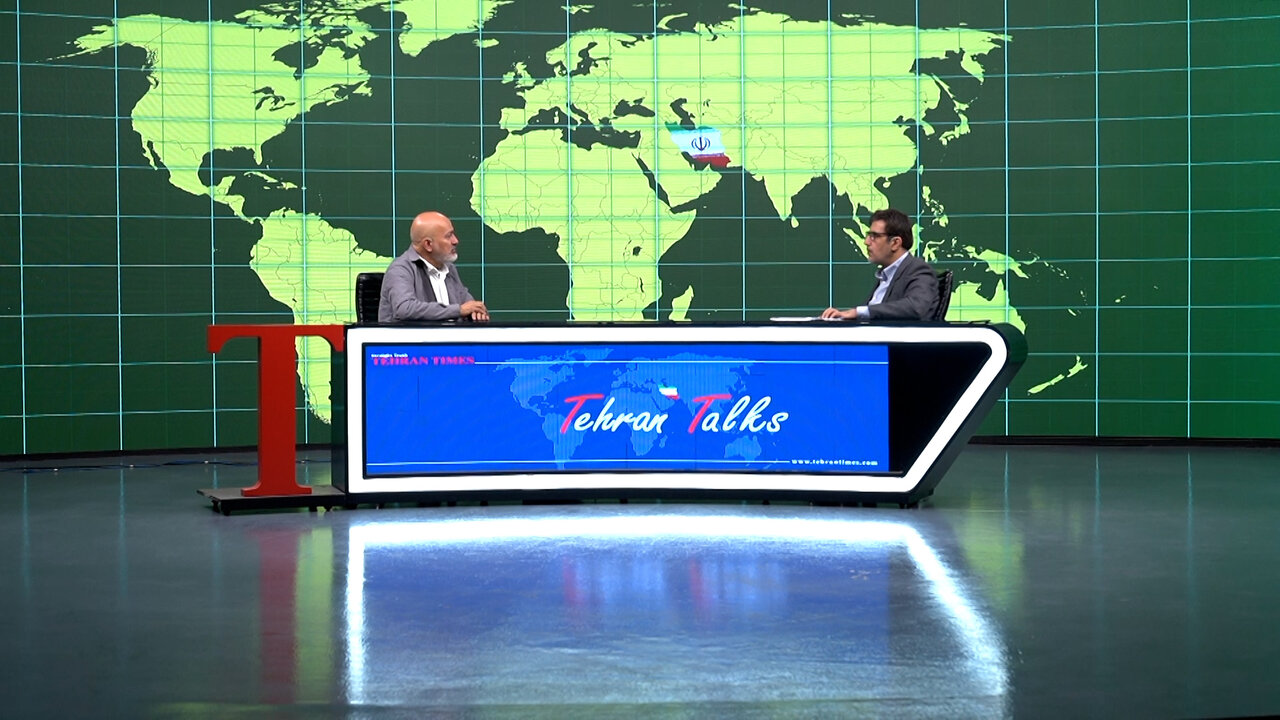
In an exclusive interview with the Tehran Times, Mohammad Darvish, a prominent environmentalist and desert researcher, says fires at oil facilities, damage to protected habitats and the loss of vessels carrying hazardous materials could have consequences far beyond Iran’s borders. Contaminants entering the Persian Gulf could threaten marine life and food chains in neighboring countries, while smoke and airborne particles may travel hundreds or even thousands of kilometers. He warns that the lack of comprehensive scientific investigations has left the scale and duration of the damage unclear.

Darvish also discusses the shortcomings of international mechanisms for protecting ecosystems during war and the challenges of documenting environmental damage and pursuing accountability. He argues that renewable energy and shared environmental resources could help Iran and its neighbors strengthen energy security, deepen regional cooperation and build a path toward peace.

Here is the full transcript of the interview:

What are the most significant environmental consequences of the recent wars against Iran, particularly those that may not yet be visible?

War is among the most destructive human activities.

In brief

TEHRAN – The environmental impact of the US-Israeli war against Iran could extend well beyond the end of the fighting, raising concerns over pollution, water supplies and damage to wildlife and marine ecosystems across the region. He argues that renewable energy and shared environmental resources could help Iran and its neighbors strengthen energy security, deepen regional cooperation and build a path toward peace.

This is the opening of the story, shared with credit to Tehran Times. The rest of the report — with every detail — continues on the publisher’s website.

Continue reading at Tehran Times ↗

Cookie settings

Choose which cookies we may use. You can change this at any time from Cookie settings in the footer. Details of each cookie are in the Cookie Policy.

Strictly necessary

Needed for sign-in, security, payments and remembering these choices. Always on.

Preferences

Remember settings such as dark mode.

Analytics & performance

Help us count visits, understand which pages, devices and countries our readers use, and measure how well the site performs – anonymous and aggregated.

Advertising & marketing

Lets advertising partners show and personalise adverts, measure impressions, clicks and visits, prevent ad fraud and pay us – this is how the free site is funded.

🔔 News notifications

Get headlines from NewsHub on this device — even when the site is closed.

You can switch this off at any time. Works on Android, Windows, Mac and Linux browsers; on iPhone/iPad add the site to your Home Screen first.