
The News
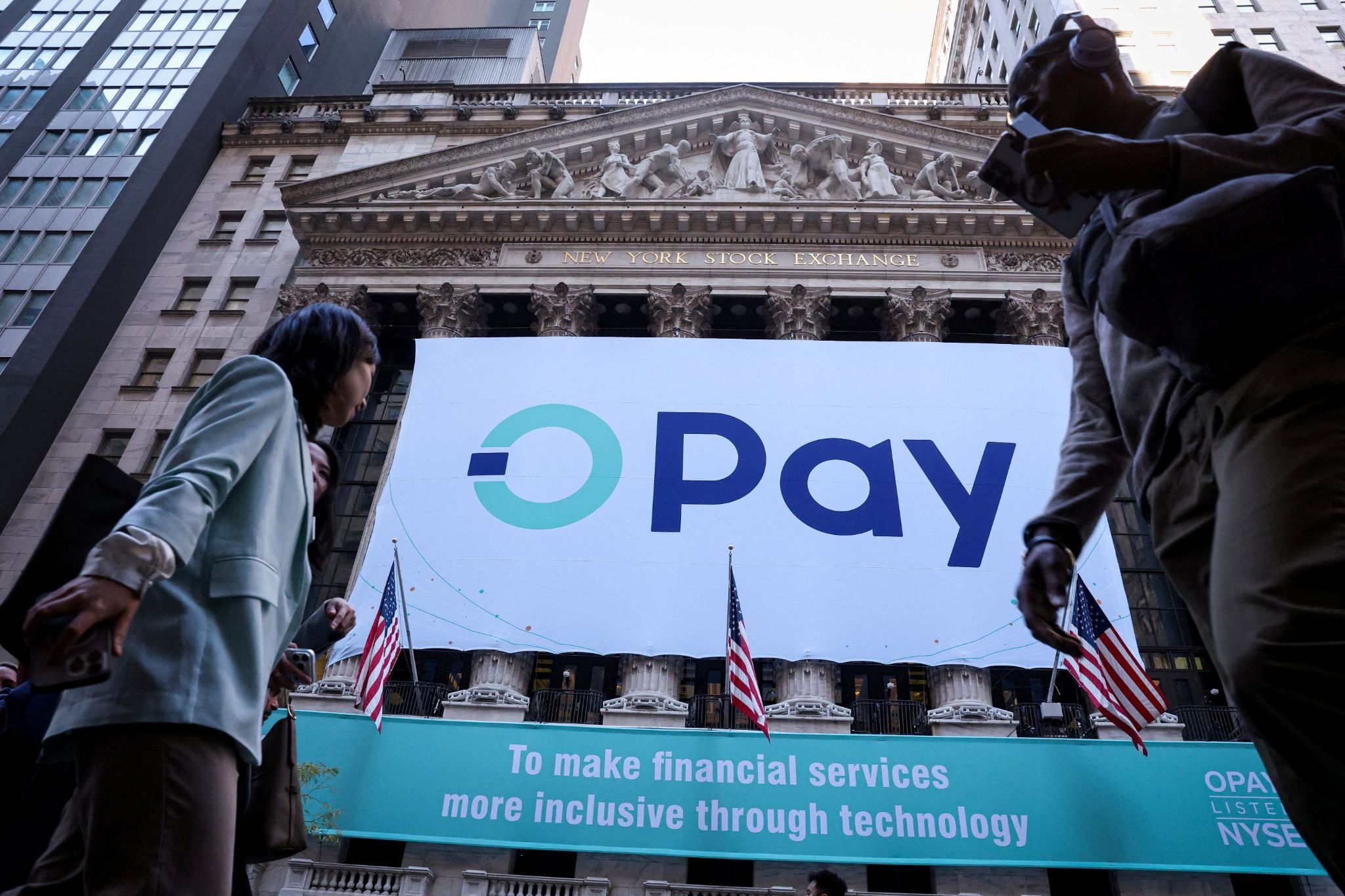
OPay’s abrupt withdrawal of its $304 million US IPO on Friday cast a shadow over one of Africa’s most ambitious fintech listings, after an undisclosed foreign regulatory inquiry derailed its New York debut.
On Friday, OPay had priced its American depositary shares at $19 each, the bottom of its target range, valuing the company at just over $4 billion. But trading never began: OPay and its underwriters terminated their agreement around 3.30 pm New York time, saying it was no longer prudent to proceed with the offering.
OPay, which primarily operates its payments service in Nigeria, did not identify the regulator or specify the subject of the inquiry. It described the jurisdiction involved as “immaterial to its core business” and said it expected the inquiry to be “concluded satisfactorily in the near future.”
The withdrawal represents a setback for Nigeria’s fintech sector and the wider African startup ecosystem, which has spent years trying to persuade global investors that its young companies can scale into major, publicly listed businesses that return funds to investors.
Know More
OPay, which launched in 2018 as a payments company, also outlined plans for a secondary listing on the Nigeria Stock Exchange after the NYSE debut to give local investors an opportunity to buy into a business that drives nearly nine-tenths of its revenue…