

YOKOTE, Japan – For years, Japanese manufacturer Aster made its money supplying parts for Toyota vehicles.
But as the country’s auto industry struggles in the face of fierce Chinese competition, Aster has found a new niche in defence technology.
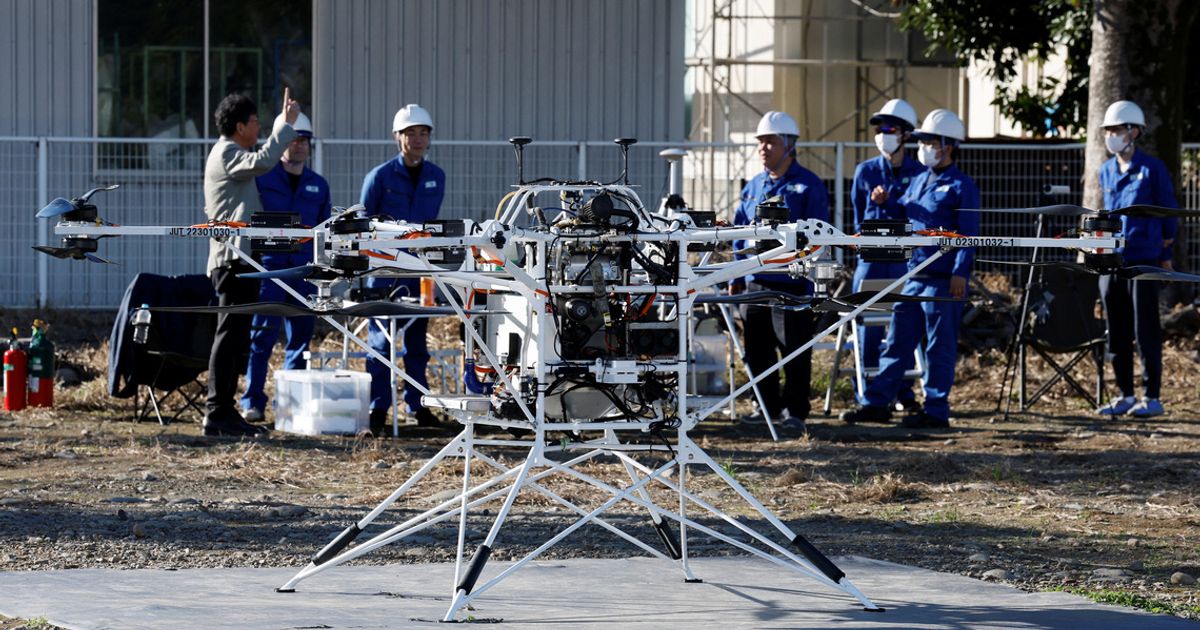
Its electric motors power drones built by US military technology company Anduril, and defence work has grown to a tenth of revenue since it entered the sector in 2025.
“Drones are a much better business,” chief executive Takenobu Hongo said of Aster’s embrace of defence contracting, which has long been viewed warily by citizens of a country shaped by decades of pacifism. “At the moment, for us, automotive motors aren’t very profitable.”
Aster’s pivot is part of a move by Tokyo to encourage Japan’s many auto suppliers to join the country’s biggest military build-up since World War II, according to interviews with nine people, including government officials, company executives and an adviser to Prime Minister Sanae Takaichi’s Cabinet.
Takaichi’s government hopes that tapping existing industrial supply chains will speed up Japan’s security transformation as it bolsters its defences against threats from nuclear-armed neighbours China, Russia and North Korea.
The rearmament efforts are backed by Tokyo’s chief security partner, the United States, which is pressing allies to increase spending on armed forces.