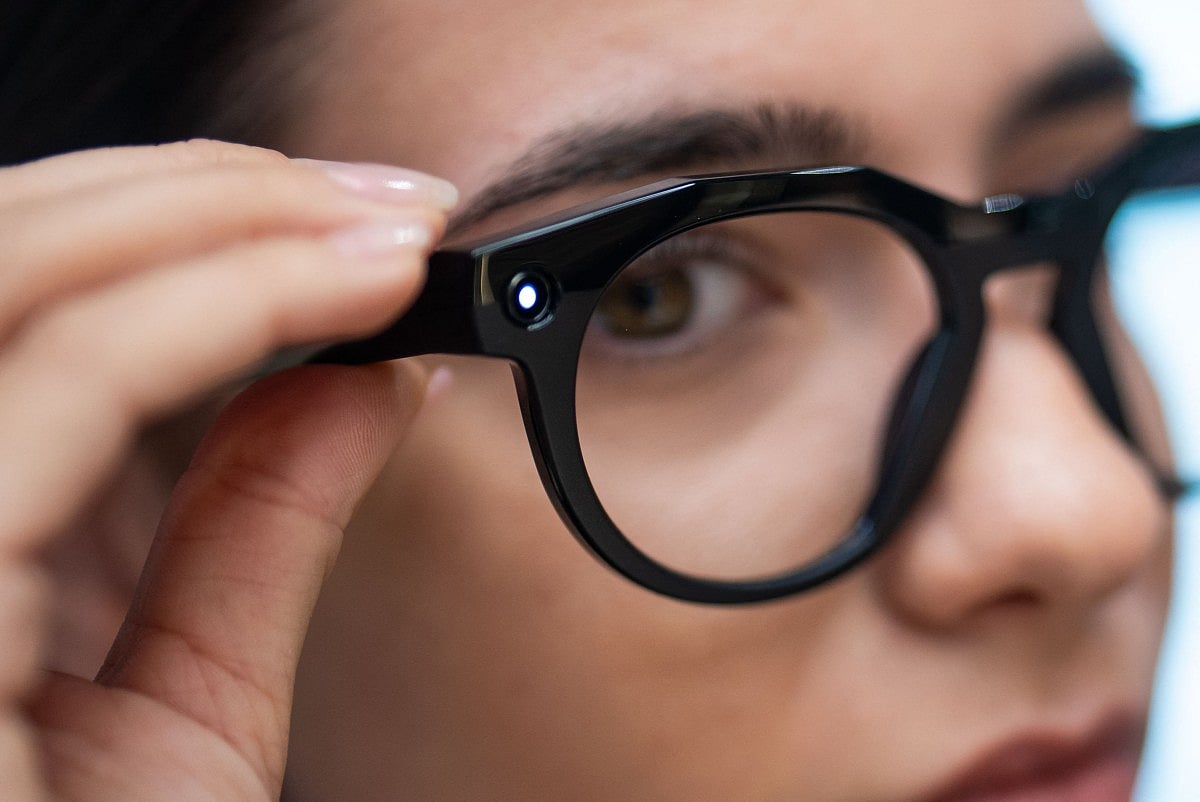
Dubai: When someone holds up a smartphone to take a photo or video, it is usually obvious. But with a camera built into everyday glasses, it becomes harder to tell whether someone is looking at you or recording you.
As Meta's AI-powered smart glasses become more accessible to UAE consumers through etisalat, their growing availability raises questions about how wearable technology could change expectations of privacy in everyday settings, from shopping malls and cafés to workplaces.
While the glasses offer the convenience of hands-free photography, video recording and artificial intelligence (AI) assistance, their capabilities also raise questions about consent, the security of recorded information and how existing privacy laws apply to wearable devices.
The issue is not simply whether consumers can own smart glasses in the UAE, but whether they understand their responsibilities when using them around others.
When a pair of glasses becomes a recording device
Meta's smart glasses combine cameras, microphones, speakers and AI capabilities, allowing wearers to capture photographs and videos, translate speech, identify objects and ask questions about their surroundings without reaching for a smartphone.
However, the ability to capture information discreetly raises concerns about how the technology could be misused, particularly if recordings are combined with AI-powered facial recognition tools to identify, profile or harass individuals without their knowledge.