Want to bookmark your favourite articles and stories to read or reference later? Start your Independent Membership today.
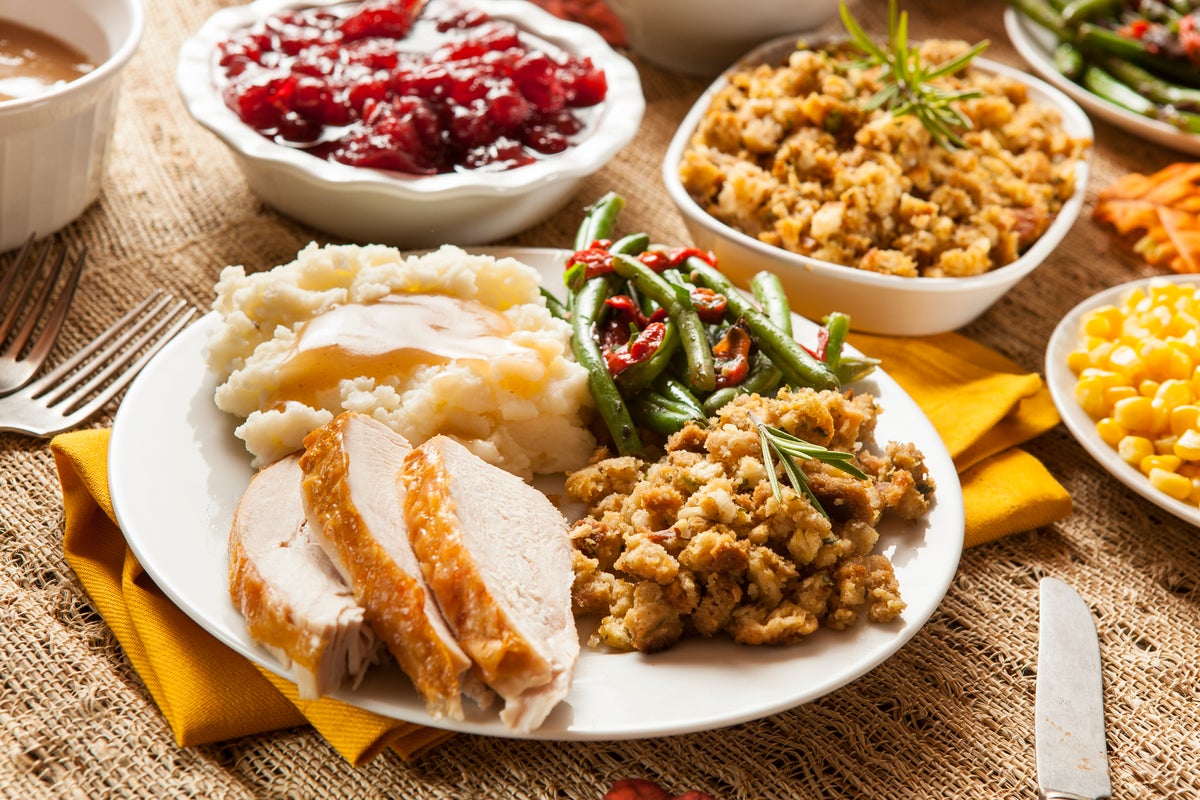
It’s the day after Thanksgiving, the tryptophan has worn off, and there are towers of Tupperware filled with turkey, stuffing and potatoes in your fridge.
If you rely on your microwave, you might simply resign yourself to eating the same meal, over and over again, until the leftovers run out.
But you don’t have to get stuck in a cycle of nuke and repeat. This Thanksgiving, take inspiration from the French, who saw leftovers as an outlet for creativity.
My research on the history of French home cooking reveals how restyling dinner scraps first became fashionable more than a century ago.
In 19th-century France, leftovers were a way of life for the lower classes.
In the countryside, the broth from the evening beef stew would become the basis of breakfast the next morning. In cities, street hawkers known as “arlequins” purchased dinner scraps from restaurants and rich households to resell them to the poor. For these Frenchmen and women, repurposing previous meals wasn’t about style but survival. Because of their association with poverty, leftovers were stigmatized up until the late 19th century.
But by the turn of the 20th century, it had become hip to whip something up with the remains from…