

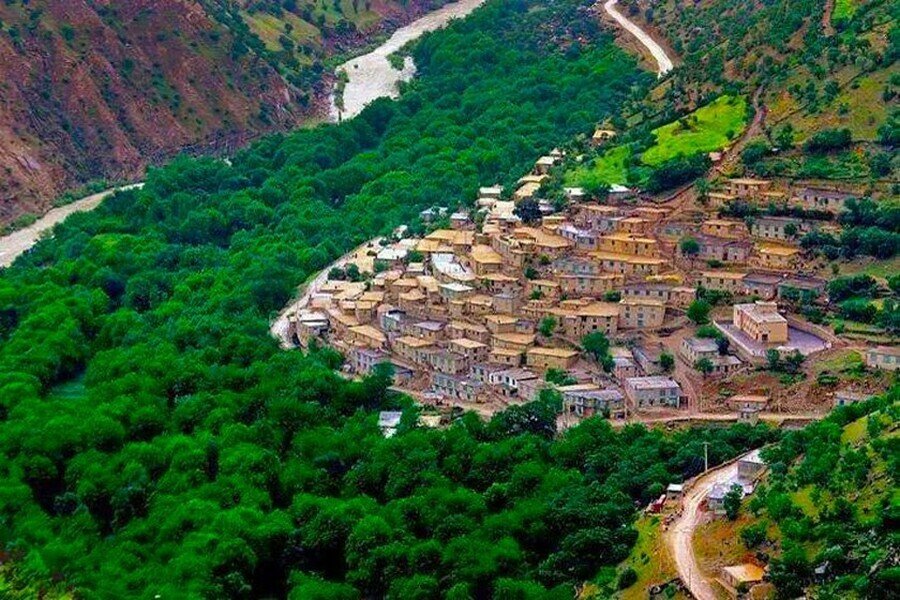
TEHRAN - The head of Iran’s Research Institute of Cultural Heritage and Tourism has warned that inappropriate construction and poorly planned interventions are gradually eroding the traditional architecture and historic identity of the Hawraman (Uramanat) region, a UNESCO World Heritage site in western Iran.
Mohammad-Ebrahim Zarei raised the concerns at a meeting titled “Hawraman: The Cultural Landscape of Uramanat” on Monday, November 23, attended by researchers and experts in the field.
He said extensive changes to the historic fabric of villages and towns across Iran, particularly in Kordestan province, had damaged traditional architectural features and weakened the distinctive character of local settlements.
“In many of these areas, the architecture and natural environment that once defined their unique identity can no longer be seen,” Zarei said, according to the Iranian Students’ News Agency (ISNA).
He described surviving historic structures as valuable examples of indigenous architectural knowledge and the adaptation of human settlements to their natural surroundings.
Zarei criticized new construction in villages across the Kordestan region, saying that buildings inconsistent with local architectural and environmental characteristics had, in some cases, replaced traditional structures under the pretext of improving public facilities.
Such interventions, he warned, risk destroying architectural identity and disrupting the coherence of historic village settlements.
The university professor stressed that development projects in heritage areas must be preceded by an…