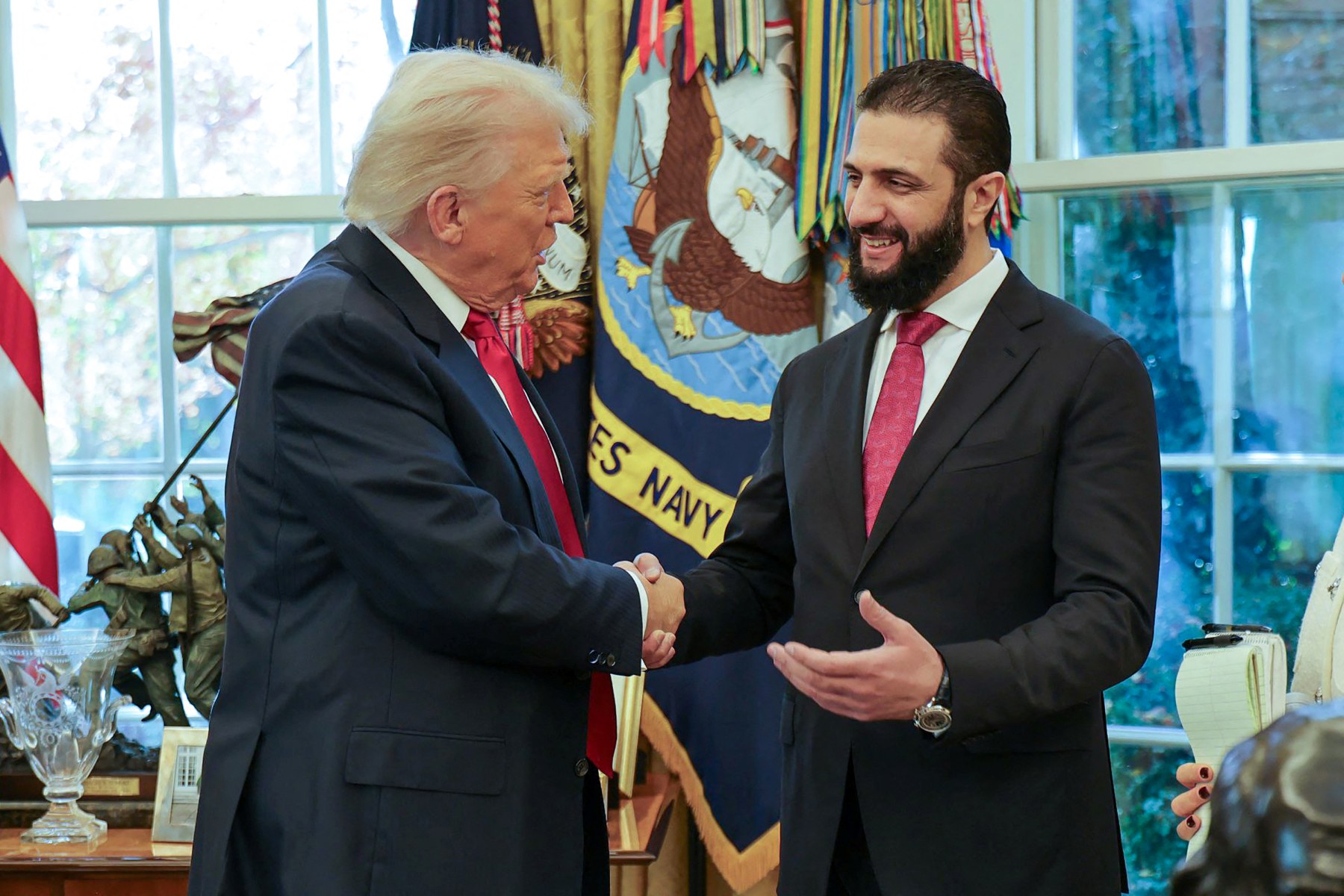
LONDON: Syria’s new leaders relied on US President Donald Trump to help end their country’s international isolation after the fall of longtime President Bashar Assad in late 2024. Now, his party’s midterm defeat raises a question: How durable is Washington’s rapprochement with Damascus under a divided US government?
Democrats’ midterm victories are unlikely to reverse Washington’s rapprochement with Damascus, analysts say. Both parties broadly favor a stable Syria that keeps Iran and Hezbollah at a distance, prevents a Daesh resurgence and reaches an accommodation with Israel.
But agreement on those goals does not guarantee agreement on how to pursue them. Democratic control of both chambers of Congress could bring closer scrutiny of diplomacy shaped heavily by Trump and his envoys, while competing priorities could leave Syria struggling for sustained American attention.
For Damascus, the immediate question is less whether Washington will abandon engagement than how much political capital it will invest, particularly in negotiations with Israel.
Elizabeth Tsurkov, a senior nonresident fellow at the Washington-based New Lines Institute, also expects little immediate change in the direction of US policy.
“The president generally sets foreign policy,” Tsurkov told Arab News. “I therefore don’t believe that Democrats taking both houses of Congress will have any effect on Syria.”