In a statement to Kenya’s data protection regulator on October 21, Joy Kalekye, a Kenyan student, recounts an encounter she had long since forgotten. A man approached her, asked a few personal questions and left. She never saw him take out a phone, a camera or any other recording device. At the time, she had no reason to think her privacy had been violated. Eleven months later, she would find out just how wrong she was.
In March 2025, Kalekye was waiting for a friend near a petrol station in Ngara, a busy Nairobi neighbourhood known for its bus stops and wholesale stalls. A man wearing dark glasses approached her and asked her name, age, and whether she lived with her parents or with her husband. She took his number but declined his suggestion to meet at a nearby lodging. Then she forgot about him. Eleven months later, a friend called to tell her she was trending.
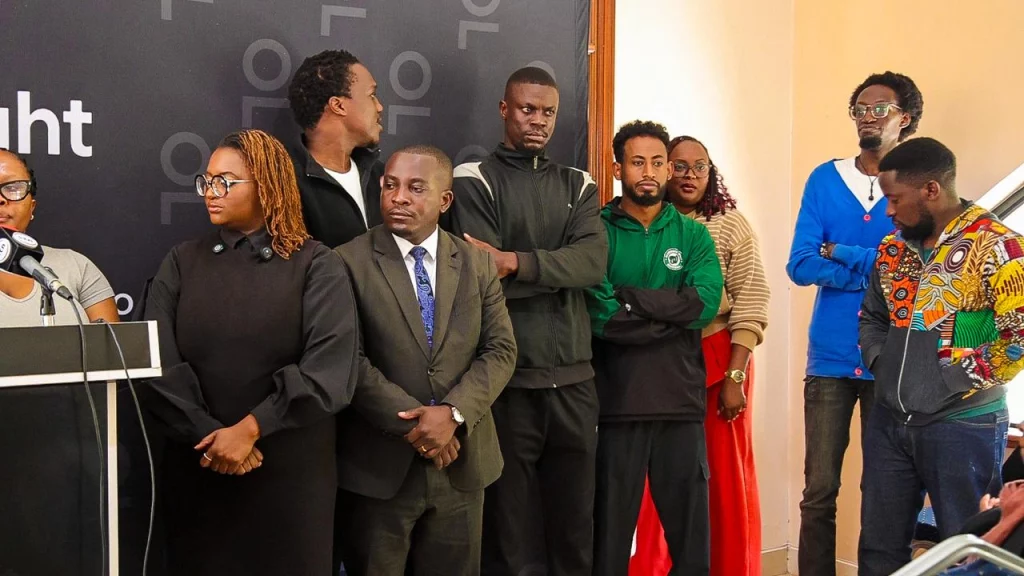
Kalekye’s statement forms part of an investigation by Kenya’s Office of the Data Protection Commissioner into Meta Platforms and two companies in its AI outsourcing chain. They are Samasource Kenya EPZ Limited, which employed Nairobi workers to label footage from Meta’s Ray-Ban glasses, and its US parent, Samasource Impact Sourcing, Inc.