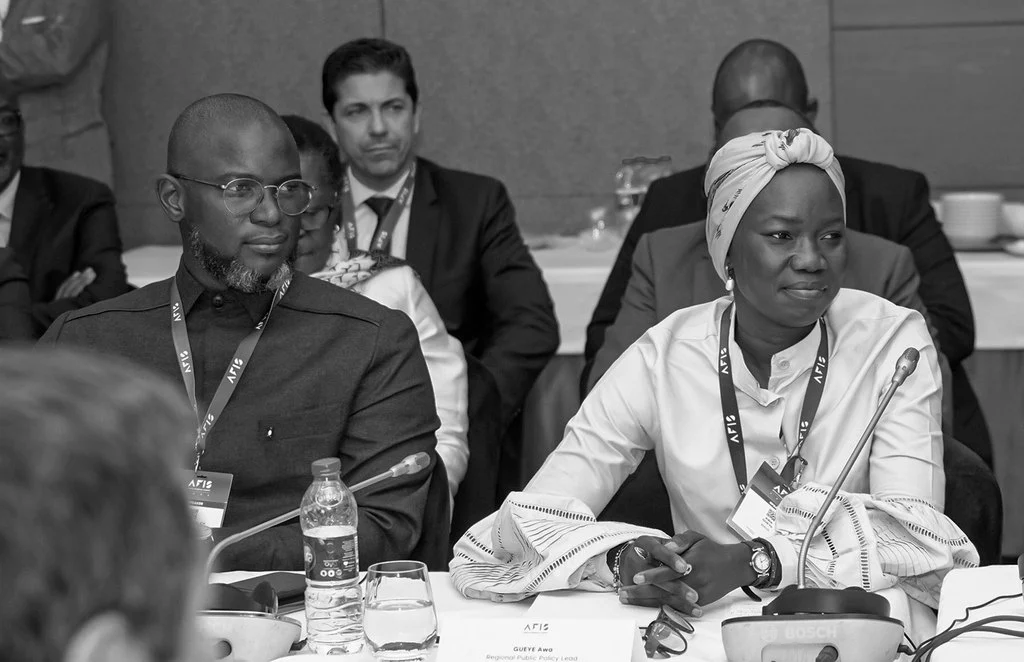
As mobile money platform Wave crosses the 25 million active account mark, its Public Policy Lead, Awa Gueye, tells GODFREY GEORGE how the company forced down prices across the WAEMU region—and details the structural and regulatory hurdles that still prevent millions of informal businesses and women from participating fully in the digital economy.
A decade ago, digital payments in Francophone West Africa were still at an early stage, with adoption and the services available gradually expanding. Wave Mobile Money accelerated this development when it launched in the region by introducing a radically lower, flat-fee pricing structure.
The resulting price war forced established telecom-backed operators to slash their own commissions, fundamentally altering the digital payments landscape across the West African Economic and Monetary Union (WAEMU). MTN MoMo eliminated withdrawal fees in Côte d’Ivoire in 2025, and Orange cut transfer fees to zero ahead of Wave’s launch in Cameroon.
For Awa Gueye, Wave’s Public Policy Lead, the true disruption is not merely in the pricing, but in the shift in consumer psychology.
“The biggest change is in what people expect,” Gueye says. “When someone sends small amounts several times a week, fees decide whether digital payments are part of daily life or reserved for emergencies. Once customers experience a low-cost, simple and reliable service, they expect that standard everywhere.”