Speaking to Euronews ahead of the EU-Western Balkans summit in Brussels, Jakov Milatović said he hoped to wrap up talks by the end of this year and sign an accession treaty by next summer. Montenegro has provisionally closed 25 of its 33 negotiating chapters, and any treaty would need to be ratified by all 27 EU members.Croatia, an EU member state, wants Montenegro to settle a long-running border dispute before letting it join the bloc. Ever since the breakup of Yugoslavia in the 1990s, the two countries have argued over the Prevlaka Peninsula - a small, strategically significant strip of land controlling entry to the Bay of Kotor. Milatović said the two governments were working towards a deal, and suggested taking the matter to an international court if the countries could not reach an agreement. He also highlighted progress on judicial independence and cracking down on organised crime.Milatović said Montenegro’s membership would send a “positive signal” to other countries waiting to join the bloc, and show that the EU could keep its promises. He said Russia’s full-scale invasion of Ukraine had made enlargement a matter of European security. Asked what would happen if Montenegro missed its 2028 goal, he said: "If Montenegro fails here, it’s going to be the failure of the EU as well."
Montenegro will become EU’s next member by 2028, says President
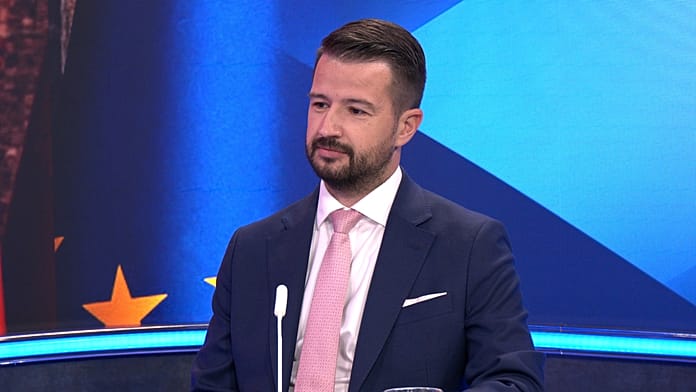
Montenegro’s President says his country is “very much on track” to become the European Union’s 28th member in 2028.
In brief
Speaking to Euronews ahead of the EU-Western Balkans summit in Brussels, Jakov Milatović said he hoped to wrap up talks by the end of this year and sign an accession treaty by next summer. Asked what would happen if Montenegro missed its 2028 goal, he said: "If Montenegro fails here, it’s going to be the failure of the EU as well."
This is the opening of the story, shared with credit to Euronews. The rest of the report — with every detail — continues on the publisher’s website.
Continue reading at Euronews ↗