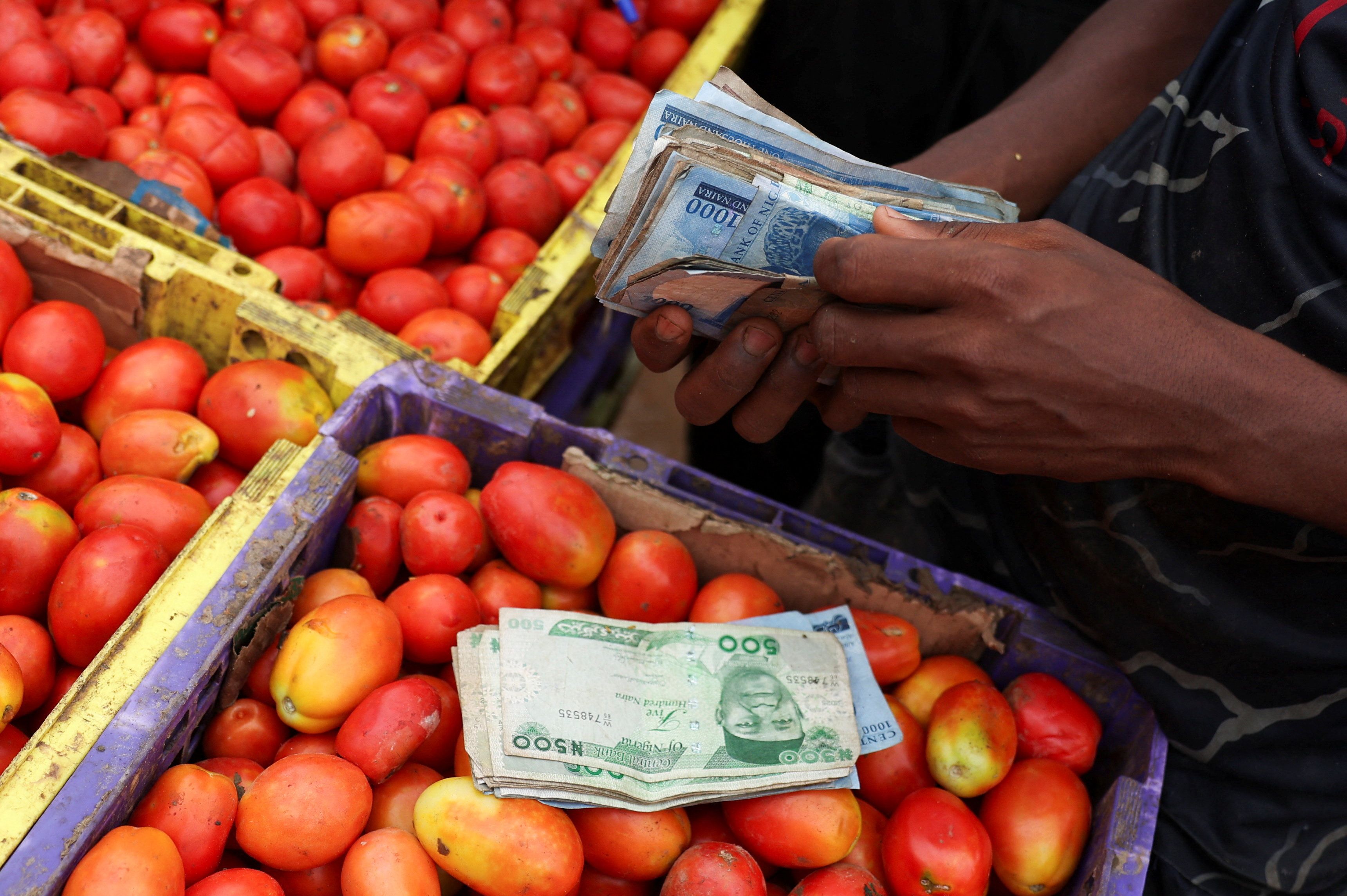
Nigeria’s central bank held its benchmark interest rate at 23%, with its governor expressing confidence that West Africa’s largest economy was stable ahead of crunch elections in January. The bank’s rate-setting committee pointed to slowing inflation, which has eased for five consecutive months, but noted that continued tensions in the Middle East “could sustain pressure on energy prices.”
Fuel prices have surged this year in Nigeria due to supply shortfalls connected to the Iran war, despite the country being Africa’s largest crude oil producer and exporter. Higher prices are driving cost-of-living concerns that have become a central campaign issue between the leading candidates in the presidential poll, re-igniting a debate around the wisdom of President Bola Tinubu’s removal of a yearslong fuel subsidy.
— Alexander Onukwue