

Children whose fathers took antidepressants in the months before conception are at slightly higher risk of developing high blood pressure — but the fathers' mental health, rather than the drugs, may explain the link, a large new study suggests.About 4.1% of men worldwide experience depression, and antidepressant drugs are a first-line treatment when it is moderate or severe. The share of expectant fathers taking these medications has risen over the past two decades in countries like Denmark, according to the study, which was published in The BMJ.Researchers tracked more than 1.3 million babies born in Denmark from 2000 to 2023, and then followed them for an average of 12 years. About 18,400 children were diagnosed with a metabolic condition such as type 2 diabetes, high blood pressure, high cholesterol levels, or overweight or obesity.That includes 364 children whose fathers had used antidepressants in the three months before conception. They were slightly more likely to develop high blood pressure than children whose fathers did not take antidepressants, the study found.The risks were not elevated for other metabolic conditions, and the extra risk disappeared when researchers compared them to children whose fathers took antidepressants during pregnancy, but not beforehand.“The mental health conditions for which the fathers took antidepressants may partly explain the study findings,”
Fathers' antidepressant use tied to slight blood pressure risk in kids — but drugs may not be why
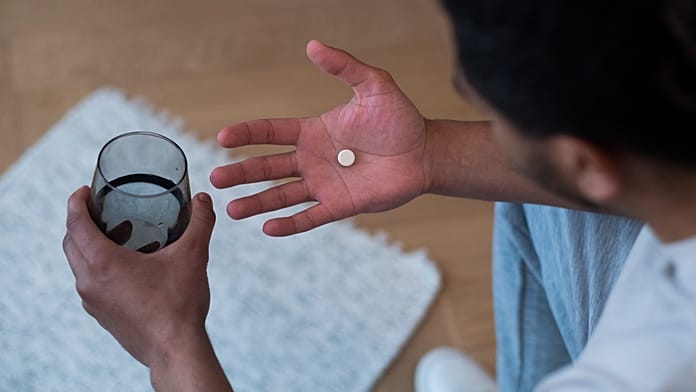
Researchers said their findings should offer reassurance for hopeful fathers who take antidepressants.
In brief
Children whose fathers took antidepressants in the months before conception are at slightly higher risk of developing high blood pressure — but the fathers' mental health, rather than the drugs, may explain the link, a large new study suggests.About 4.1% of men worldwide experience depression, and antidepressant drugs are a first-line treatment when it is moderate or severe.
This is the opening of the story, shared with credit to Euronews. The rest of the report — with every detail — continues on the publisher’s website.
Continue reading at Euronews ↗