📰 Newspapers

After a decade in Nigeria, Bolt is looking beyond rides

After a decade in Nigeria, Bolt is looking beyond rides

Bolt's decade in Nigeria is a story of price wars, driver protests, expansion and reinvention as the Estonian company looks beyond ride-hailing.

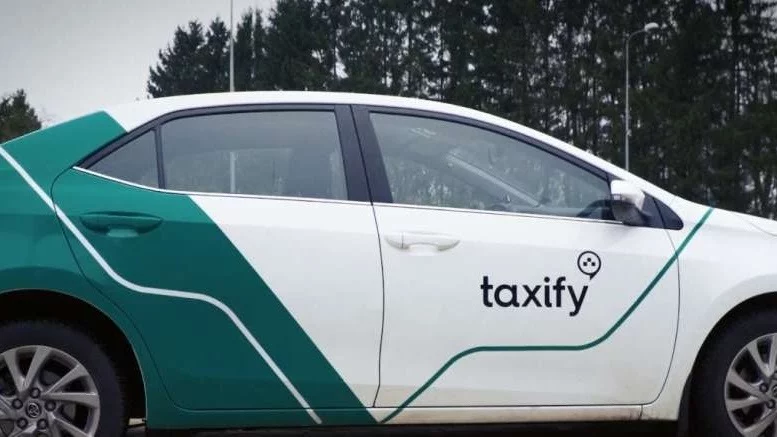
When Bolt, the Estonian mobility company, launched as Taxify in Lagos in November 2016, it entered a market where Uber, the American ride-hailing giant, had already established a lead after arriving two years earlier.

By July 2016, Uber had completed more than one million trips across Lagos and Abuja. Taxify was not only competing with an established rival; it also had to win commuters over from yellow taxis and public transportation by offering another way to get around.

A decade later, Nigeria’s ride-hailing market looks very different. Yellow taxis have lost most of their prominence, while the market has attracted other international players like inDrive, and local operators such as LagRide and Rida. In September, Uber announced it was winding down its Nigerian operations, marking the exit of the company that had once led the market.

Meanwhile, Bolt has expanded its footprint to 31 cities and says it has reached more than 14 million riders in Nigeria since it entered the market. The company also says it has invested more than ₦140 billion ($102.4 million) in the country. Beyond ride-hailing, it has expanded into other ride categories, vehicle financing, food delivery and electric mobility.

Early beginnings and price wars

Weyinmi Aghadiuno, Bolt’s Head of Regulatory and Policy, Africa, said Bolt entered into Nigeria at a time when getting around the…


In brief

When Bolt, the Estonian mobility company, launched as Taxify in Lagos in November 2016, it entered a market where Uber, the American ride-hailing giant, had already established a lead after arriving two years earlier. A decade later, Nigeria’s ride-hailing market looks very different. Beyond ride-hailing, it has expanded into other ride categories, vehicle financing, food delivery and electric mobility.

This is the opening of the story, shared with credit to TechCabal (Africa tech). The rest of the report — with every detail — continues on the publisher’s website.

Continue reading at TechCabal (Africa tech) ↗

Cookie settings

Choose which cookies we may use. You can change this at any time from Cookie settings in the footer. Details of each cookie are in the Cookie Policy.

Strictly necessary

Needed for sign-in, security, payments and remembering these choices. Always on.

Preferences

Remember settings such as dark mode.

Analytics & performance

Help us count visits, understand which pages, devices and countries our readers use, and measure how well the site performs – anonymous and aggregated.

Advertising & marketing

Lets advertising partners show and personalise adverts, measure impressions, clicks and visits, prevent ad fraud and pay us – this is how the free site is funded.

🔔 News notifications

Get headlines from NewsHub on this device — even when the site is closed.

You can switch this off at any time. Works on Android, Windows, Mac and Linux browsers; on iPhone/iPad add the site to your Home Screen first.