

A shipwreck that lay beneath the waters off Western Australia for more than three centuries has become the centre of an international investigation, with 23 silver coins stolen from its seabed finally returning to Australia. The coins, taken from the Dutch East India Company vessel Zuytdorp, were recovered in the Netherlands and the United States and formally handed back to Australian authorities on November 24, 2026, according to a joint media release by the Australian government and a report by ABC News.The Zuytdorp disappeared in 1712 while travelling from the Netherlands to Batavia, now Jakarta, carrying a valuable cargo that included 128,000 Dutch guilders worth of silver coins. The ship sank off the coast of Western Australia, between Kalbarri and Shark Bay, in circumstances that remain unknown. Around 200 people were aboard, but unlike the crews of some other Dutch vessels wrecked along the coast, the Zuytdorp's survivors were never heard from again.The wreck's location remained a mystery for centuries. In 1927, a young geologist discovered Dutch silver coins and other artefacts near the cliffs that later came to be known as the Zuytdorp Cliffs. The objects were eventually linked to the missing ship.
314 years after Dutch ship sank off Australia, 23 stolen silver coins return from California and Amsterdam
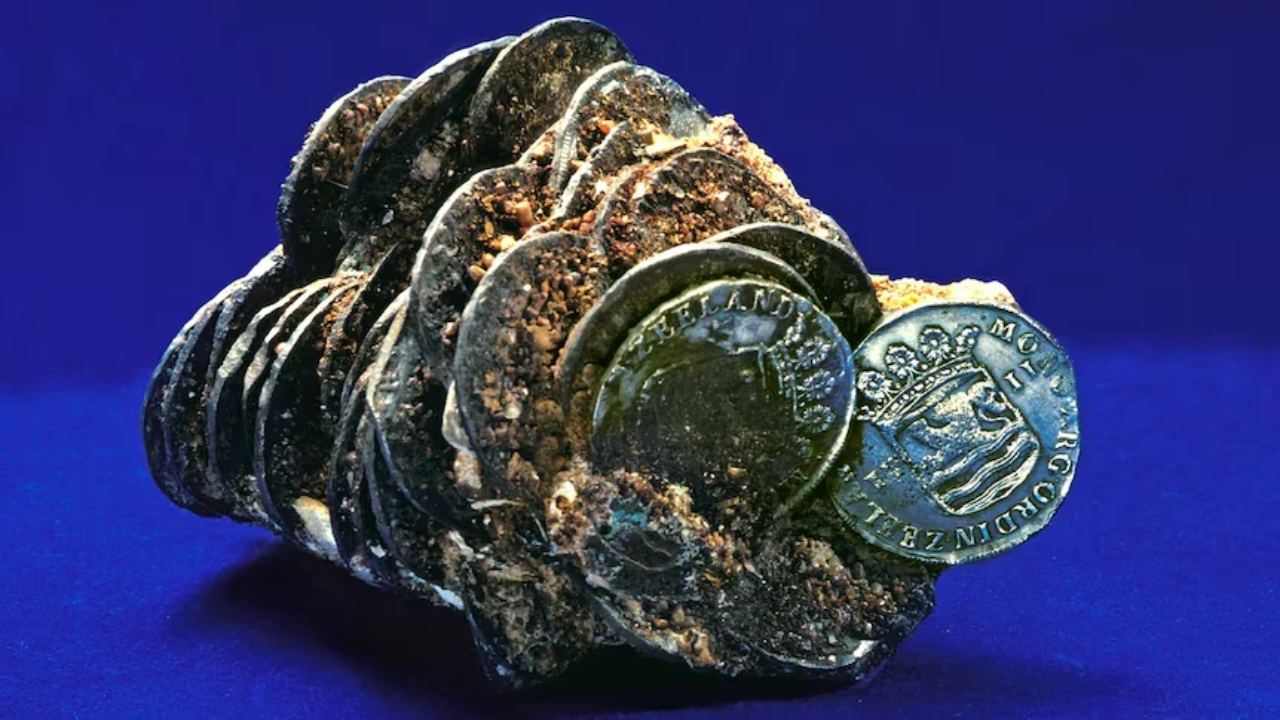
After extensive efforts, Australia has reclaimed twenty-three silver coins from the infamous Zuytdorp shipwreck, which was lost at sea in 1712. The recovery operations spanned both the Netherlands and the United States, revealing a surge in illicit interest since 2019. In light of this, Australian authorities ramped up their monitoring, culminating in local resident Ashley Patterson's guilty plea for breaching…
In brief
A shipwreck that lay beneath the waters off Western Australia for more than three centuries has become the centre of an international investigation, with 23 silver coins stolen from its seabed finally returning to Australia. In 1927, a young geologist discovered Dutch silver coins and other artefacts near the cliffs that later came to be known as the Zuytdorp Cliffs.
This is the opening of the story, shared with credit to The Times of India — World. The rest of the report — with every detail — continues on the publisher’s website.
Continue reading at The Times of India — World ↗