

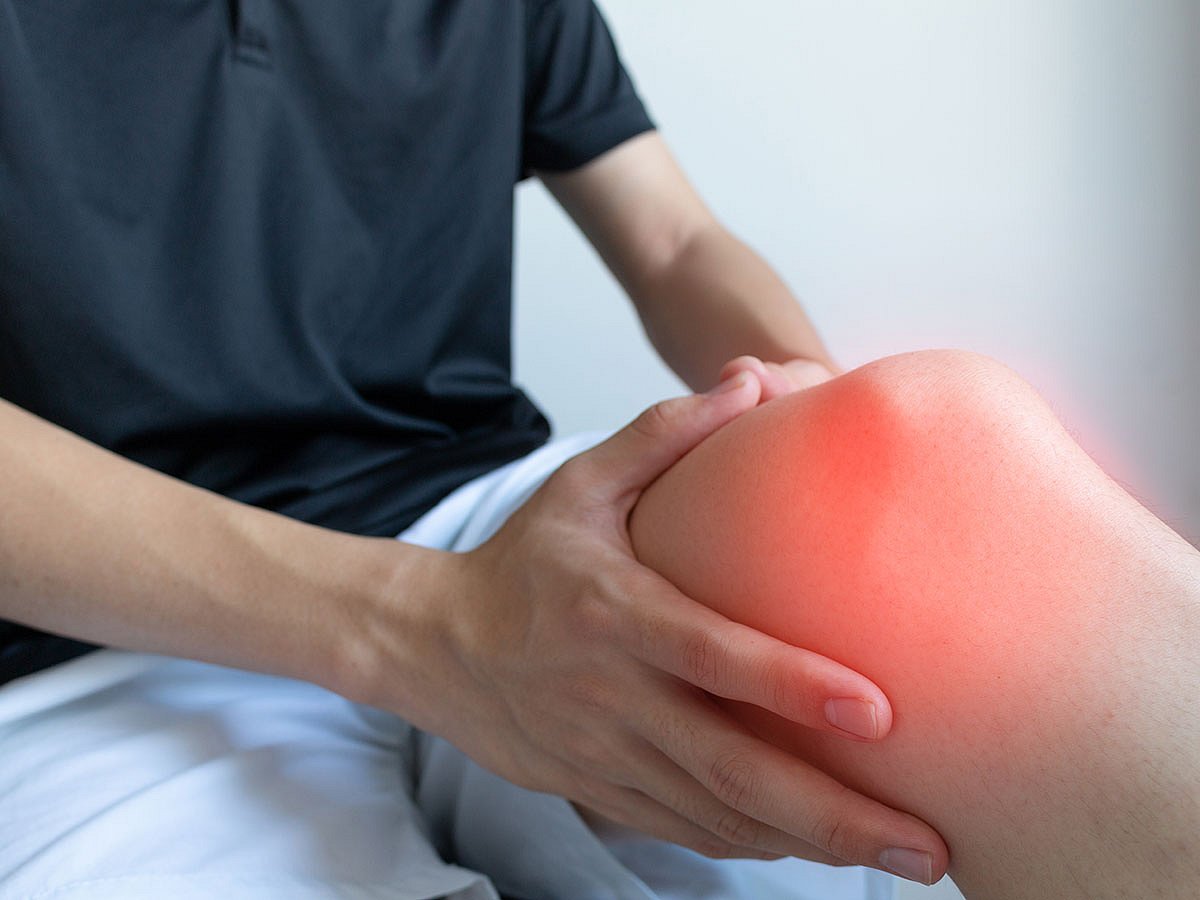
Sticks and stones may break your bones, but a cold snap goes straight for the knees.
The long summer has finally loosened its grip on the UAE; mornings are crisper, evenings are cool enough to sit outside, and a few brave souls have even dug out a jacket. It's hardly a polar vortex, but the joints, it seems, are noticing.
As Dr. Ahmed Tamer Farag Ahmed Mohamed, a consultant in orthopaedic surgery at Medcare Shaikh Saqr Al Qasimi Hospital, explains, many people do notice that their joints feel stiffer or more uncomfortable when the weather gets colder. However, he draws a careful line between feeling worse and getting worse. "While low temperatures do not directly cause joint damage, they can influence how the body responds to movement and changes in the environment."
The tightening
Start with the obvious: bodies, like most materials, don't love the cold.
So what happens really: When temperatures fall, muscles, tendons, ligaments and tissues around a joint become tighter and less flexible, as Dr. Bala Krishnan Navaneethan, a specialist in rheumatology at Aster Hospital Mankhool puts it. For people with arthritis, the joint structures that are already sensitive, may register movement and pressure changes as more painful.
Then there's the air itself, not just how cold it is, but how heavy.