📰 Newspapers

Ukraine's Heraskevych hails EU pushback against Russian athletes

Ukraine's Heraskevych hails EU pushback against Russian athletes

As European countries challenge Russia's sporting return, Ukrainian Olympian Vladyslav Heraskevych believes the IOC is facing a 'very big crisis.'

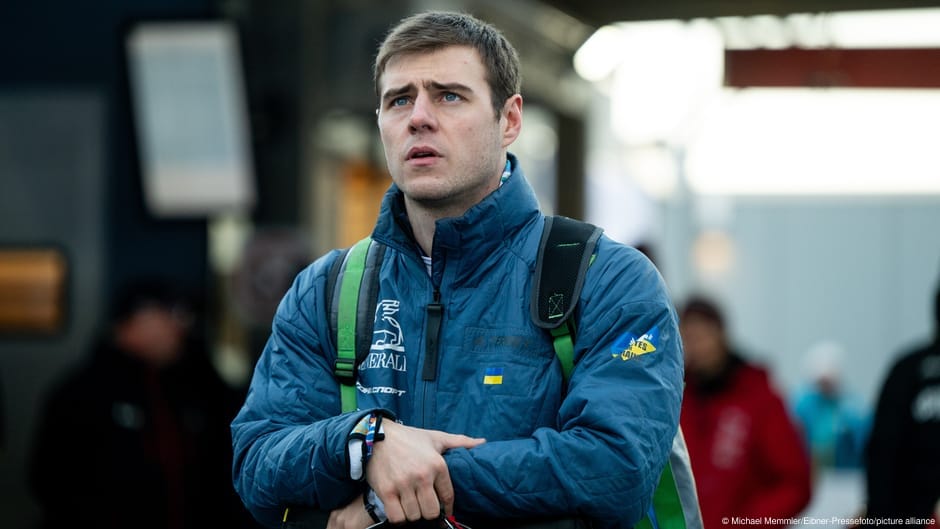
Ukrainian skeleton racer Vladyslav Heraskevych has welcomed a move by the European Union to take a tougher stance on Russian athletes competing in the 27-member bloc.

Heraskevych is one of the most outspoken critics of Russia's reintegration into international sport. He made headlines at the 2026 Winter Olympics in Milan-Cortina when he was disqualified for his helmet honoring Ukrainian athletes killed in the war with Russia.

On Monday, European Commission President Ursula von der Leyen proposed banning Russian athletes from competing under their own flag at sports competitions within the European Union (EU) and urged member states to consider denying visas in such cases.

"Sports events cannot be a forum for propaganda activities," von der Leyen said.

In an interview with DW, Heraskevych described the EU move as coming "better late than never."

"We waited a long time for this backlash," he said at the World Cup event in Altenberg, his first competition since the Winter Olympics.

"I'm really happy to see that people start to care about sports and they understand the value of sports as a huge platform."

In July, the International Olympic Committee (IOC) paved the way for Russia's full return to international sport by ending its recommendation that Russian athletes be allowed to compete as neutrals, without their flag, colors or anthems.


In brief

Ukrainian skeleton racer Vladyslav Heraskevych has welcomed a move by the European Union to take a tougher stance on Russian athletes competing in the 27-member bloc. On Monday, European Commission President Ursula von der Leyen proposed banning Russian athletes from competing under their own flag at sports competitions within the European Union (EU) and urged member states to consider denying visas in such cases.

This is the opening of the story, shared with credit to DW — Top stories. The rest of the report — with every detail — continues on the publisher’s website.

Continue reading at DW — Top stories ↗

Cookie settings

Choose which cookies we may use. You can change this at any time from Cookie settings in the footer. Details of each cookie are in the Cookie Policy.

Strictly necessary

Needed for sign-in, security, payments and remembering these choices. Always on.

Preferences

Remember settings such as dark mode.

Analytics & performance

Help us count visits, understand which pages, devices and countries our readers use, and measure how well the site performs – anonymous and aggregated.

Advertising & marketing

Lets advertising partners show and personalise adverts, measure impressions, clicks and visits, prevent ad fraud and pay us – this is how the free site is funded.

🔔 News notifications

Get headlines from NewsHub on this device — even when the site is closed.

You can switch this off at any time. Works on Android, Windows, Mac and Linux browsers; on iPhone/iPad add the site to your Home Screen first.