📰 Newspapers

Global fashion brands shift orders from Bangladesh to India amid unrest

Global fashion brands shift orders from Bangladesh to India amid unrest

Zara, H&M, M&S, Celio shift Bangladesh orders, mostly to India.

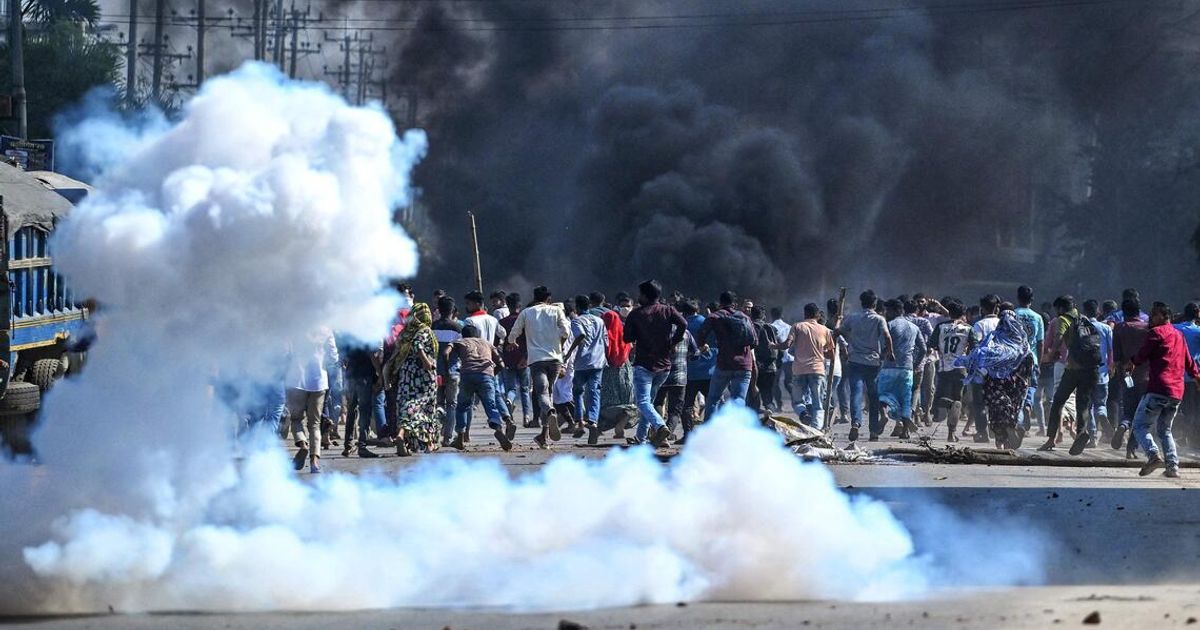
DHAKA - Global fashion retailers including Zara and H&M shifted nearly a tenth of their monthly orders from Bangladesh to other Asian manufacturing hubs in the first half of November, as labour unrest disrupted production and rising costs eroded the country’s competitive edge, three factory owners said.

Between Nov 1 and Nov 18, brands diverted about US$254 million (S$327.53 million) worth of orders from Bangladesh, with most moving to neighbouring India, the owners said, in a shift that represents a major blow to a key pillar of Bangladesh’s economy and could extend beyond the current unrest.

Industry leaders have said rising wages, energy shortages and political uncertainty have weakened the low-cost advantage that helped make Bangladesh the world’s second-largest apparel exporter after China, prompting global brands to diversify sourcing.

The protests have caused more than US$400 million in production losses, according to the Bangladesh Garment Manufacturers and Exporters Association (BGMEA), in an industry that accounts for more than 80% of Bangladesh’s export earnings and nearly 40% of its manufacturing jobs.

India has emerged as the biggest beneficiary of the order diversions, while buyers are also looking to Vietnam, Cambodia and Indonesia to reduce supply-chain risks and improve delivery reliability, industry leaders said.

Those pressures intensified on Nov 25 when Bangladesh approved a 36% increase in the minimum wage for garment…
In brief

DHAKA - Global fashion retailers including Zara and H&M shifted nearly a tenth of their monthly orders from Bangladesh to other Asian manufacturing hubs in the first half of November, as labour unrest disrupted production and rising costs eroded the country’s competitive edge, three factory owners said. Industry leaders have said rising wages, energy shortages and political uncertainty have weakened the low-cost advantage that helped make Bangladesh the world’s second-largest apparel exporter after China, prompting global brands to diversify sourcing.

This is the opening of the story, shared with credit to The Straits Times — Asia. The rest of the report — with every detail — continues on the publisher’s website.

Continue reading at The Straits Times — Asia ↗

Cookie settings

Choose which cookies we may use. You can change this at any time from Cookie settings in the footer. Details of each cookie are in the Cookie Policy.

Strictly necessary

Needed for sign-in, security, payments and remembering these choices. Always on.

Preferences

Remember settings such as dark mode.

Analytics & performance

Help us count visits, understand which pages, devices and countries our readers use, and measure how well the site performs – anonymous and aggregated.

Advertising & marketing

Lets advertising partners show and personalise adverts, measure impressions, clicks and visits, prevent ad fraud and pay us – this is how the free site is funded.

🔔 News notifications

Get headlines from NewsHub on this device — even when the site is closed.

You can switch this off at any time. Works on Android, Windows, Mac and Linux browsers; on iPhone/iPad add the site to your Home Screen first.