

Want to bookmark your favourite articles and stories to read or reference later? Start your Independent Membership today.
As autumn arrives each year, Deborah Giles begins her daily routine with a single question: where are the orcas? Giles tracks the endangered Southern Resident killer whales, a population whose recovery continues to falter despite long-standing protections.
Driven by a search for dwindling food reserves, the whales spend less time in the Salish Sea, the network of inland waterways stretching between Washington State and British Columbia. Yet over the last five years, these animals have gathered north of Seattle each autumn to hunt coho and chum salmon.
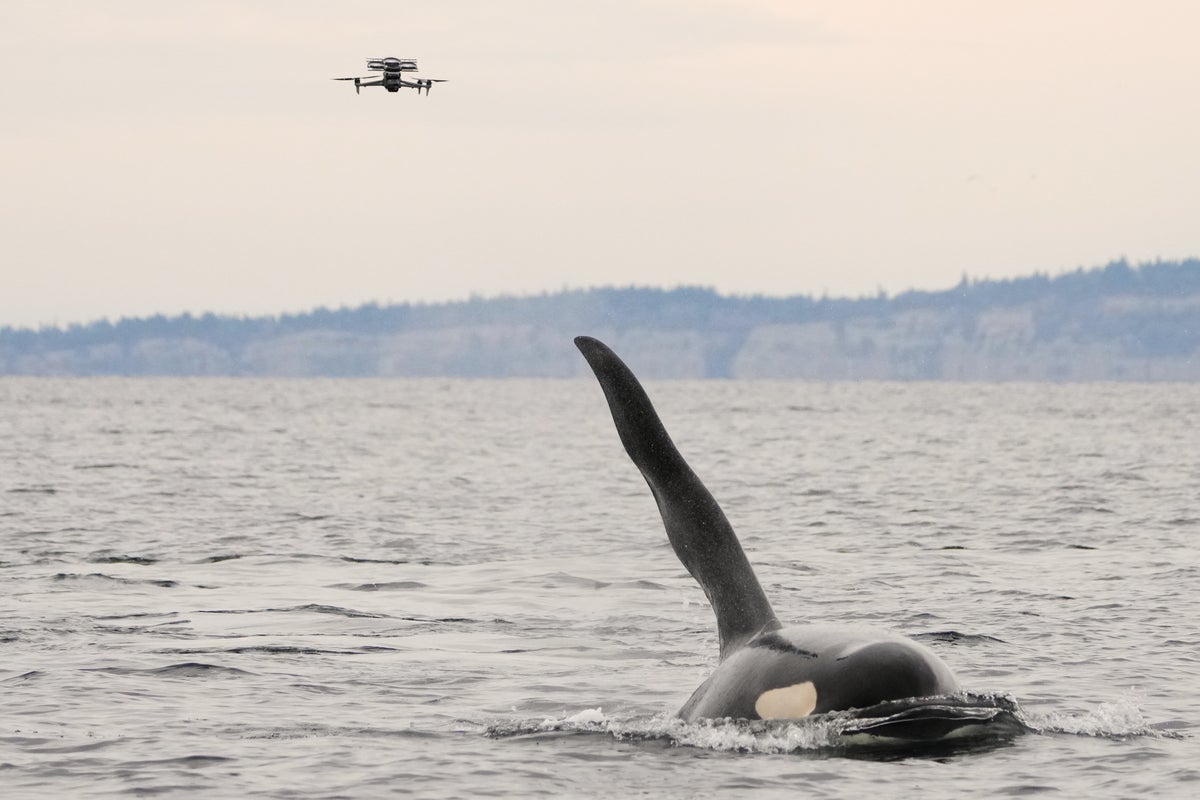
This pattern offers an opportunity for collaboration between The SeaDoc Society and the San Diego Zoo Wildlife Alliance. Researchers deploy drones equipped with petri dishes and microscope slides to capture droplets from spouts, alongside a dog trained to locate stool samples. These methods provide essential health assessments for as many of the remaining 76 whales as possible.
"They were here before us, long before us," said Giles. "They’re a group of animals that are uniquely bonded to this place and to each other."
Before colonization of the Pacific Northwest, the orca's main prey — Chinook salmon — weighed more than 100 pounds (45.36 kilograms) each and their numbers were abundant along the West Coast, Giles…