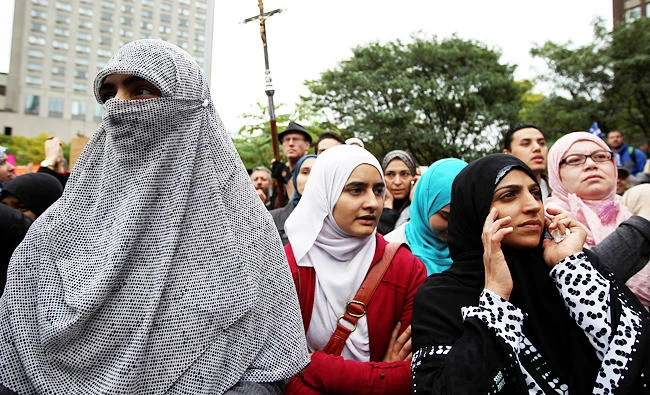
OTTAWA: Canada’s Supreme Court on Friday upheld Quebec’s ban on religious symbols for public servants, prompting rights groups to warn the ruling unfairly targets Muslim women and weakens legal protections for fundamental rights.
The decision is a political win for Quebec’s sovereigntist government and could complicate Prime Minister Mark Carney’s efforts to unify Canada as the country faces a trade war and annexation threats from US President Donald Trump.
Quebec’s previous government passed Bill 21 in 2019, saying it was necessary to protect its secularist society. Under the law, anyone receiving services from public servants like teachers and police officers in the predominantly French-speaking province has the right to do so without being exposed to overt religious symbols, including hijabs, turbans and yarmulkes.
Quebec used an unusual constitutional provision to shield the law from court challenges, which the Supreme Court decided was allowed.
In its ruling, Canada’s top court confirmed the validity of Bill 21, saying it is “rooted in Quebec’s legitimate and historical commitment to ensuring the laicity of the state in a free and democratic society.”
The Supreme Court found, however, that one provision of the bill infringed the rights of members of Quebec’s National Assembly whose religious beliefs require them to wear a face covering.
The ruling drew condemnation from some groups.