

The chemical tanker that sank on Wednesday with 7,000 tonnes of diesel aboard will be towed “immediately” to the Spanish port of Cartagena despite environmental concerns, Spain’s transport ministry said on Friday. The Maltese-flagged Med Emre, which capsized between Valencia and the holiday island of Ibiza, is expected to reach the Spanish port as early as Monday 30 November.“After checking the structural integrity and seaworthiness of the ship, the towing operation to a safe port will begin immediately, taking advantage of the favourable weather conditions,” the ministry said in a statement.The port, in an industrial area of the southeastern region of Murcia, met the depth, size and safety requirements for unloading the fuel, the ministry said. With conditions at sea liable to worsen, Cartagena “offers a calm environment” close to pollution response, logistics and petrochemical facilities.Murcia’s regional president, Fernando López Miras, however, has objected to the move and demanded that the central government find another location, citing “a potential risk to our coastline and our marine ecosystems”.López Miras said ten protected areas in Cartagena could be affected. He also warned of the risk to the Valle de Escombreras, which he said accounts for “approximately 40% of the fuel supply in our country”.Environmental organisations have also argued that the area’s flora and fauna, including endangered species, and warned of risks to…
Capsized tanker carrying 7,000 tonnes of diesel in Spain to be towed ‘immediately’ amid spill fears
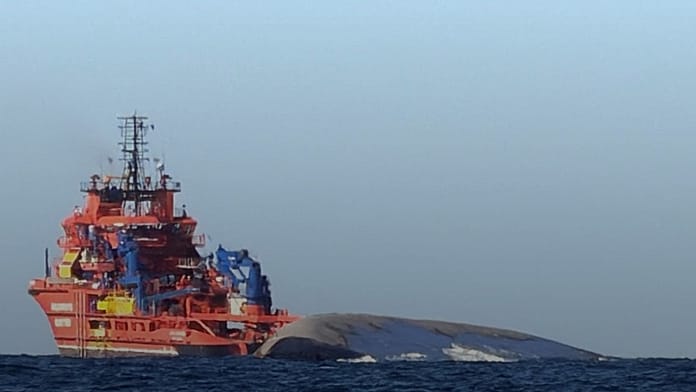
The ship, carrying about 7,000 tonnes of diesel, will be towed on its side despite objections from regional officials and could reach the Spanish port of Cartagena as early as Monday.
In brief
The chemical tanker that sank on Wednesday with 7,000 tonnes of diesel aboard will be towed “immediately” to the Spanish port of Cartagena despite environmental concerns, Spain’s transport ministry said on Friday. With conditions at sea liable to worsen, Cartagena “offers a calm environment” close to pollution response, logistics and petrochemical facilities.Murcia’s regional president, Fernando López Miras, however, has objected to the move and demanded that the central government find another location, citing “a potential risk to our coastline and our marine ecosystems”.López Miras said ten protected areas in Cartagena could be affected.
This is the opening of the story, shared with credit to Euronews. The rest of the report — with every detail — continues on the publisher’s website.
Continue reading at Euronews ↗