

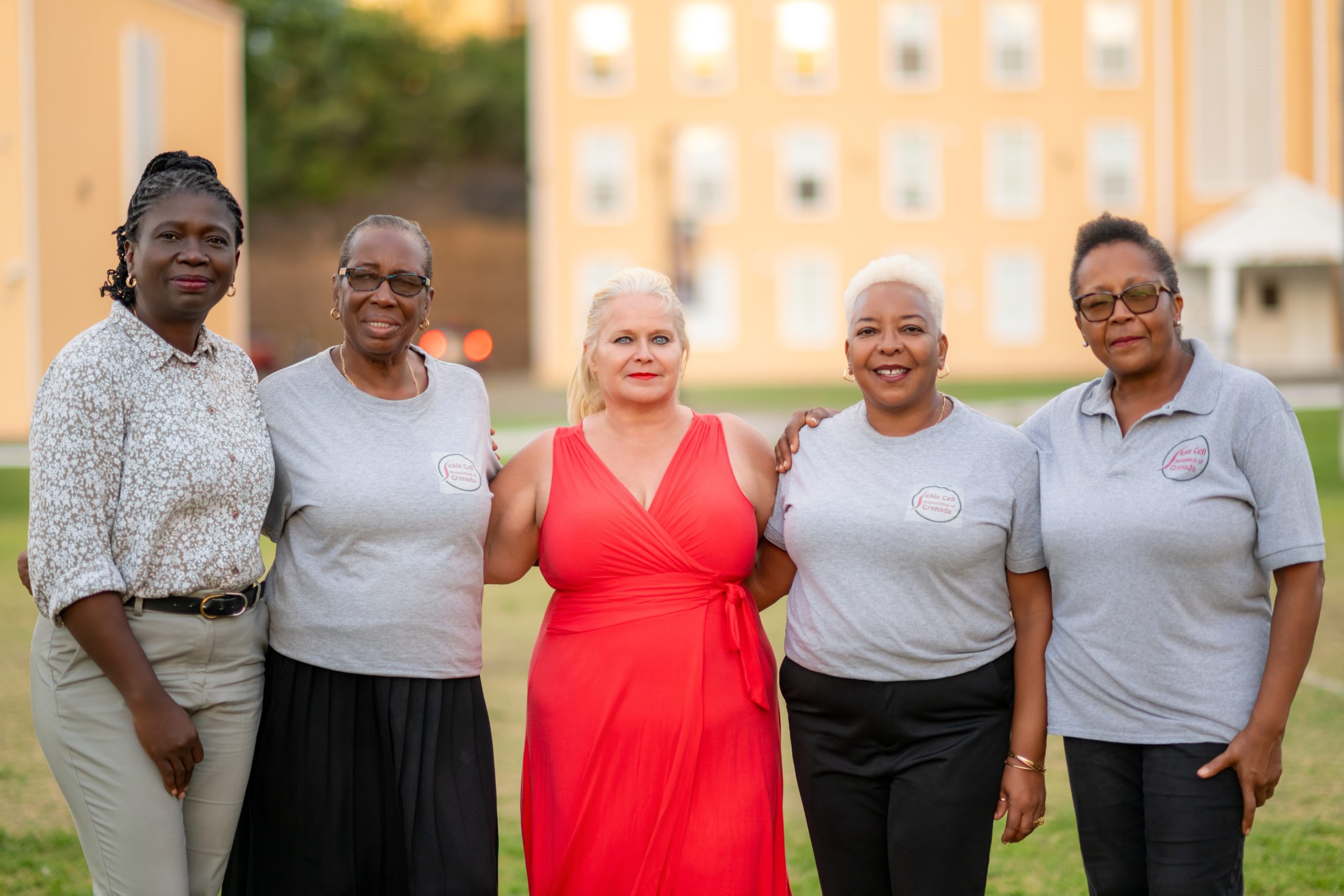
By:St. George’s University,School of Medicine
Beyond Genotype Testing: How St. George’s University Is Linking Medical Education with Sickle Cell Care
Nearly 80% of babies born with sickle cell disease are in sub-Saharan Africa.
Awareness must connect people to early diagnosis, treatment, and practical support.
In many African communities, conversations about sickle cell disease begin with one question: “What’s your genotype?” Knowing whether you carry a haemoglobin variant helps people understand inherited risk, especially when planning a family.
The same inheritance reaches well beyond Africa. Through the history of the African diaspora, the sickle cell gene is now common across the Caribbean and the Americas.
In fact, the first description of the disease in Western medical literature, published by Dr James Herrick in 1910, was based on a Grenadian, Sir Walter Clement Noel, a young dental student studying in Chicago.
More than a century later, the lesson is the same wherever families live with the condition, but testing is only part of the response. Better outcomes also depend on early diagnosis, access to treatment and consistent care.
The World Health Organization (WHO) estimates that 7.74 million people were living with sickle cell disease worldwide in 2021, and about 515,000 babies were born with it that year.
Nearly 80% of those births occurred in sub-Saharan Africa.