

For years, scientists studying one of Central America's smallest wild cats have struggled to get a closer look at the animal. Most of what they know about the clouded oncilla comes from photographs taken by camera traps and specimens found after the animals have died. A Spanish researcher has now managed to study seven of these cats in their natural habitat.Amaia Autor, a Spanish PhD student in conservation biology at the University of Montana in the US, has become the first researcher known to capture wild clouded oncillas and monitor their movements using GPS collars, Mongabay reported. She caught seven of the animals in Costa Rica's Talamanca Mountains after beginning her fieldwork in 2022.The achievement is significant because these cats are rarely caught. Weighing around 2 kg or less, they live in remote mountain forests and are difficult to observe. Autor's work has given researchers access to animals that have remained largely out of reach of direct scientific study.Her first successful capture took place on March 21, 2023. She continued the work and eventually caught six more cats. The animals were examined, fitted with tracking collars and released after the research team collected biological samples and recorded their physical measurements.The work is now being analysed as part of Autor's doctoral research.
Spanish researcher captures 7 elusive 2-kg wild cats in Costa Rica
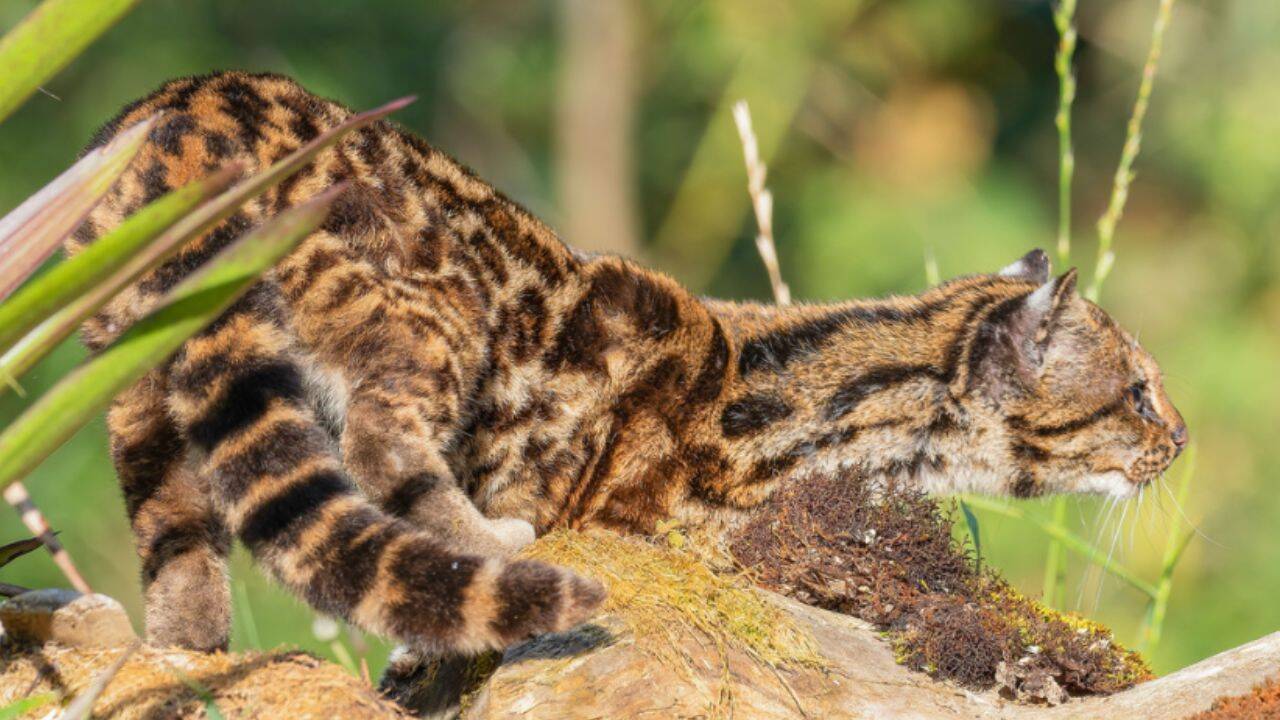
Spanish researcher Amaia Autor became the first to capture and GPS-track wild clouded oncillas in Costa Rica, successfully trapping seven of the elusive 2-kg cats. Her research is providing new information about their movements, habitat preferences and conservation needs, including threats from shrinking forests and road traffic.
In brief
For years, scientists studying one of Central America's smallest wild cats have struggled to get a closer look at the animal. She caught seven of the animals in Costa Rica's Talamanca Mountains after beginning her fieldwork in 2022.The achievement is significant because these cats are rarely caught. She continued the work and eventually caught six more cats.
This is the opening of the story, shared with credit to The Times of India — World. The rest of the report — with every detail — continues on the publisher’s website.
Continue reading at The Times of India — World ↗