

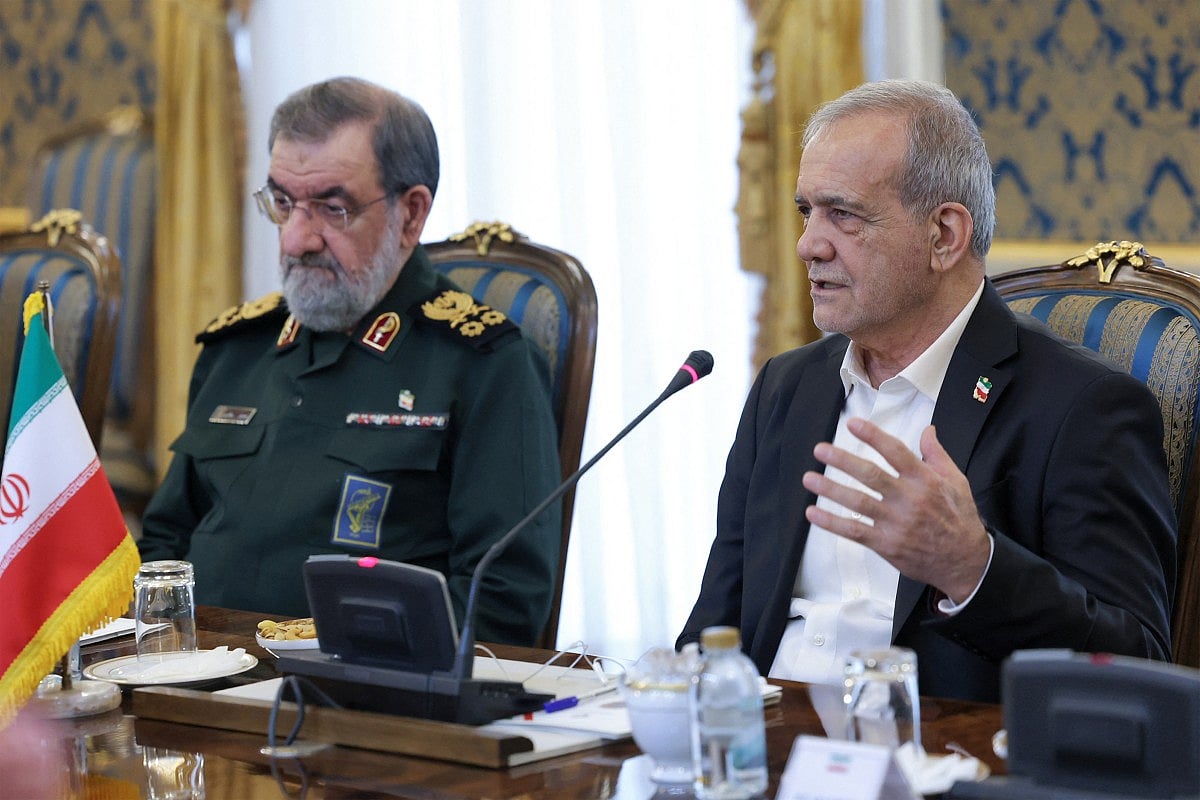
Dubai: As Iran struggles under the weight of a US naval blockade, tightening sanctions and the threat of renewed military confrontation, a series of appointments is raising questions about the balance of power within its leadership.
A sweeping reshuffle of Iran’s Supreme National Security Council (SNSC) secretariat has brought several conservative politicians and former government officials into key positions, highlighting the expanding role of the security establishment in areas traditionally managed by the civilian administration.
The appointments by Mohsen Rezaei, a former commander of the Islamic Revolutionary Guard Corps (IRGC) and secretary of the council, extend well beyond conventional defence and security matters.
They encompass economic resilience, energy, infrastructure, food security and social affairs — areas central to Iran’s ability to withstand mounting American pressure.
Is Tehran simply reorganising its administration to cope with wartime challenges, or is the balance of power within the Islamic Republic beginning to shift?
Return of the conservatives
Iranian news website Didban Iran reported that several officials from the administration of late President Ebrahim Raisi had been brought into the security council’s secretariat.
Former parliamentarian Mohsen Dehnavi has been appointed deputy for the resistance economy, a policy framework intended to reduce Iran’s vulnerability to external economic pressure.
Former energy minister Ali-Akbar Mehrabian will advise Rezaei on energy affairs, while Mehdi Dousti, a former governor of…