📰 Newspapers

Congo Ebola death toll soars past 6,000 in nation’s deadliest outbreak on record

Congo Ebola death toll soars past 6,000 in nation’s deadliest outbreak on record

The fatality rate stays high at 49 per cent, with many individuals presenting late at medical centres or avoiding care altogether

Want to bookmark your favourite articles and stories to read or reference later? Start your Independent Membership today.

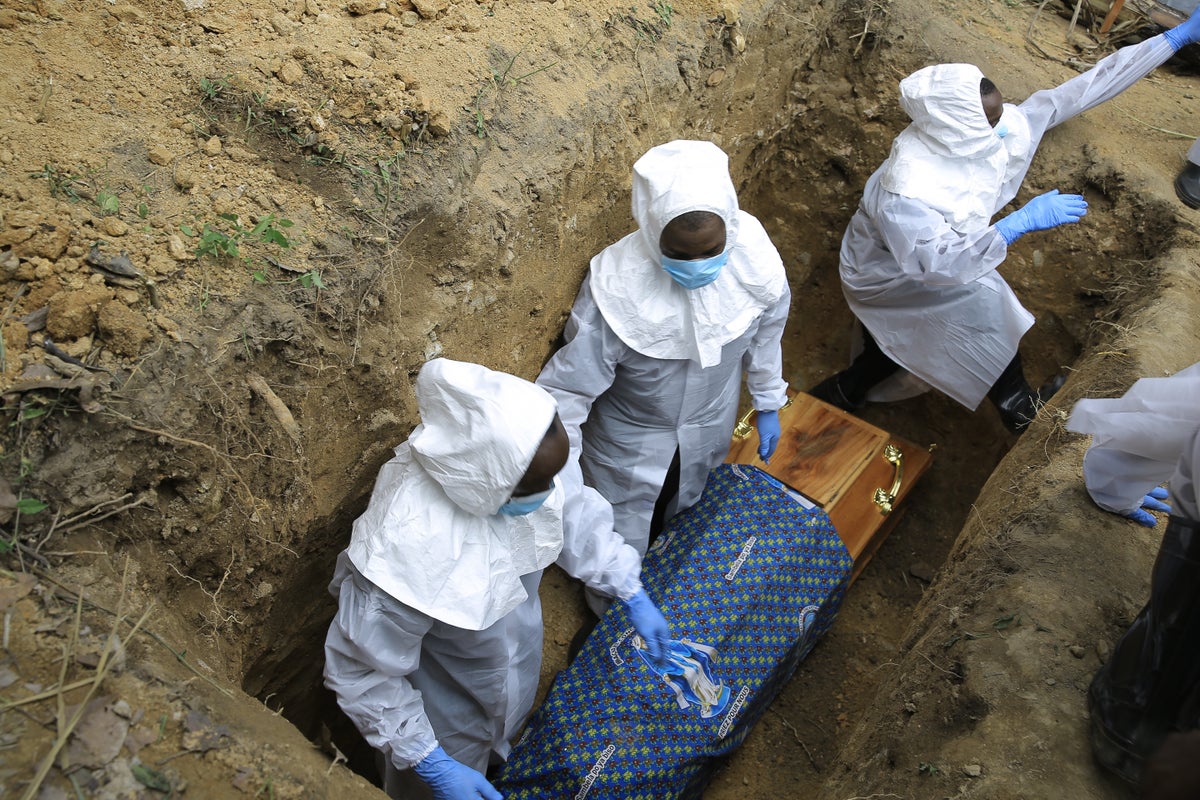
More than 6,000 people have died in the Democratic Republic of Congo following an Ebola outbreak that continues to outstrip containment efforts, according to government figures released on Saturday.

This marks the nation's 17th and worst recorded encounter with the virus.

Declared on 15 May, it is caused by the Bundibugyo species of Ebola, for which there is no approved vaccine or treatment.

Latest official statistics released by the government show the death toll has now risen to 6,025, with confirmed infections reaching 12,254 across eight separate provinces.

The scale of the ongoing crisis in Congo is dwarfed only by the 2014-2016 West African outbreak, which infected over 28,600 people and killed more than 11,000 across Guinea, Liberia and Sierra Leone.

Official records indicate the disease is spreading and killing twice as fast.

Health experts highlight chronic funding shortages, mistrust of medical facilities and widespread insecurity as key barriers to halting the virus.

Demonstrating these perils, the World Health Organization stated earlier in November that medical staff were trapped inside a hospital for three days during intense fighting in northeastern Ituri province.

The fatality rate stays high at 49 per cent, with many individuals presenting late at medical centres or avoiding care…

In brief

Want to bookmark your favourite articles and stories to read or reference later? More than 6,000 people have died in the Democratic Republic of Congo following an Ebola outbreak that continues to outstrip containment efforts, according to government figures released on Saturday. Health experts highlight chronic funding shortages, mistrust of medical facilities and widespread insecurity as key barriers to halting the virus.

This is the opening of the story, shared with credit to The Independent — World. The rest of the report — with every detail — continues on the publisher’s website.

Continue reading at The Independent — World ↗

Cookie settings

Choose which cookies we may use. You can change this at any time from Cookie settings in the footer. Details of each cookie are in the Cookie Policy.

Strictly necessary

Needed for sign-in, security, payments and remembering these choices. Always on.

Preferences

Remember settings such as dark mode.

Analytics & performance

Help us count visits, understand which pages, devices and countries our readers use, and measure how well the site performs – anonymous and aggregated.

Advertising & marketing

Lets advertising partners show and personalise adverts, measure impressions, clicks and visits, prevent ad fraud and pay us – this is how the free site is funded.

🔔 News notifications

Get headlines from NewsHub on this device — even when the site is closed.

You can switch this off at any time. Works on Android, Windows, Mac and Linux browsers; on iPhone/iPad add the site to your Home Screen first.