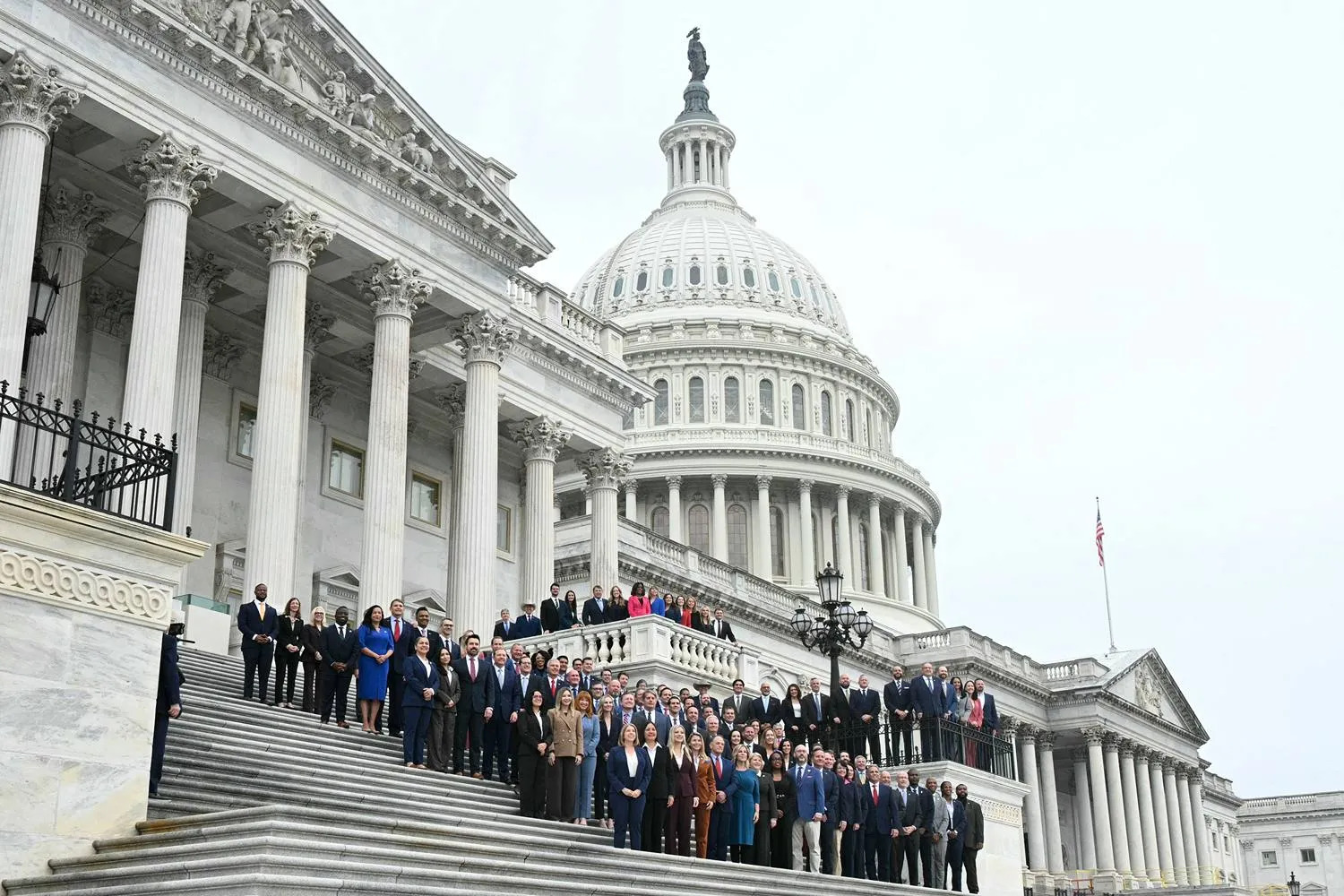
The full impact of the US midterm elections will not be clear until the Democrats decide who will be their leaders in the Senate and the House of Representatives. The people who occupy these positions will be critically important because of the power they exercise over most of the work done by both bodies — for example, who will serve on which committee and which bills actually come to the floor to be debated and voted on.
This concern was expressed quite clearly back in 2024, when Republicans were voting for who they would support as speaker of the House. After several inconclusive rounds of voting, a freshman Republican spoke eloquently about why he could not support the existing leadership. He noted that he came to Washington with the concerns of his voters foremost on his mind. He wanted to debate issues and help to write or amend legislation. He soon discovered that none of this was possible under the current system and his party’s leadership. A small group, he noted, met behind closed doors and decided which bills to advance and which amendments would be allowed. It was, he maintained, the very antithesis of the idea of democracy that had motivated his run for office.