📰 Newspapers

Securing the Red Sea the next test of regional leadership

Securing the Red Sea the next test of regional leadership

Long before the Red Sea became a strategic chokepoint, it was a passage connecting people and civilizations. For centuries, pilgrims from Egypt, Sudan and across Africa crossed its waters on their journey to Makkah, while merchants carried goods between the ports of Arabia and the African coast. Jeddah stood as a gateway to the holy cities and a vital hub for trade and cultural exchange. The ships and cargoes have changed but the waterway’s significance has only grown.

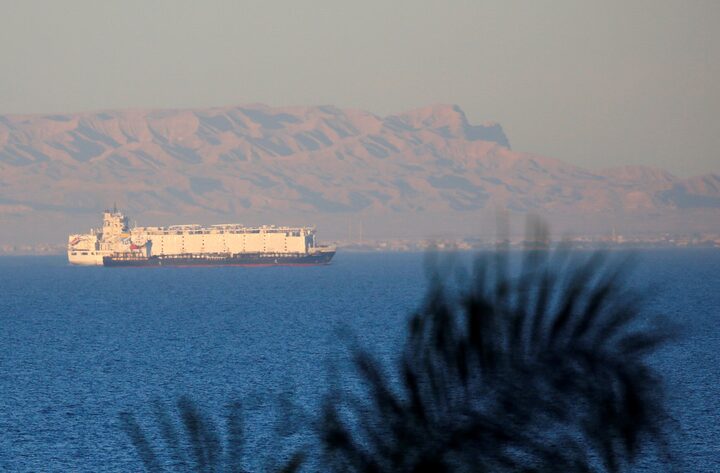
Today, the Red Sea carries Saudi energy exports to global markets, links Asian manufacturers to European consumers and sustains traffic through Egypt’s Suez Canal. What was once a historic crossroads has become one of the world’s most consequential maritime corridors — and its security is now inseparable from the economic future of the region.

The disruption of the Strait of Hormuz in 2026 has fundamentally altered the strategic importance of the Red Sea. Saudi Arabia’s East-West Pipeline, built to provide an alternative to vulnerable Gulf shipping routes, has proven invaluable, allowing crude exports through Yanbu to climb above 4 million barrels per day within weeks. The crisis has demonstrated the foresight of maintaining alternative export infrastructure, while also revealing how much of the region’s economic resilience now depends on the western coast of the Arabian Peninsula.

In brief

Long before the Red Sea became a strategic chokepoint, it was a passage connecting people and civilizations. Today, the Red Sea carries Saudi energy exports to global markets, links Asian manufacturers to European consumers and sustains traffic through Egypt’s Suez Canal. Saudi Arabia’s East-West Pipeline, built to provide an alternative to vulnerable Gulf shipping routes, has proven invaluable, allowing crude exports through Yanbu to climb above 4 million barrels per day within weeks.

This is the opening of the story, shared with credit to Arab News. The rest of the report — with every detail — continues on the publisher’s website.

Continue reading at Arab News ↗

Cookie settings

Choose which cookies we may use. You can change this at any time from Cookie settings in the footer. Details of each cookie are in the Cookie Policy.

Strictly necessary

Needed for sign-in, security, payments and remembering these choices. Always on.

Preferences

Remember settings such as dark mode.

Analytics & performance

Help us count visits, understand which pages, devices and countries our readers use, and measure how well the site performs – anonymous and aggregated.

Advertising & marketing

Lets advertising partners show and personalise adverts, measure impressions, clicks and visits, prevent ad fraud and pay us – this is how the free site is funded.

🔔 News notifications

Get headlines from NewsHub on this device — even when the site is closed.

You can switch this off at any time. Works on Android, Windows, Mac and Linux browsers; on iPhone/iPad add the site to your Home Screen first.