

The Natural History Museum in London has recorded 92 species not previously identified in its gardens after transforming five acres of grounds into a network of wildlife habitats, with researchers also finding that woodland soil was 10°C cooler than a nearby paved courtyard during a heatwave.The discoveries were made between the reopening of the gardens in July 2024 and the end of 2025, according to the museum's November 25 announcement. The findings highlight how urban green spaces can support biodiversity while helping scientists study the effects of climate change and human activity on city ecosystems.Among the newly recorded species are the emperor moth, small red-eyed damselfly, red beard-moss and Asian mud-dauber wasp. Researchers also found a cotton seed bug specimen that the museum described as the first known record of the species in Britain.Five acres transformed into interconnected habitatsThe gardens, located in South Kensington, were redesigned as the museum's Nature Discovery Garden, creating a range of habitats including chalk grasslands, woodland, ponds and meadow areas. The landscape was intended to attract wildlife and serve as an outdoor research space where scientists could examine how urban ecosystems respond to environmental changes.The redevelopment was part of a wider £25 million, five-year transformation of the museum's gardens, which reopened in July 2024.
London's Natural History Museum records 92 new species after transforming five-acre gardens
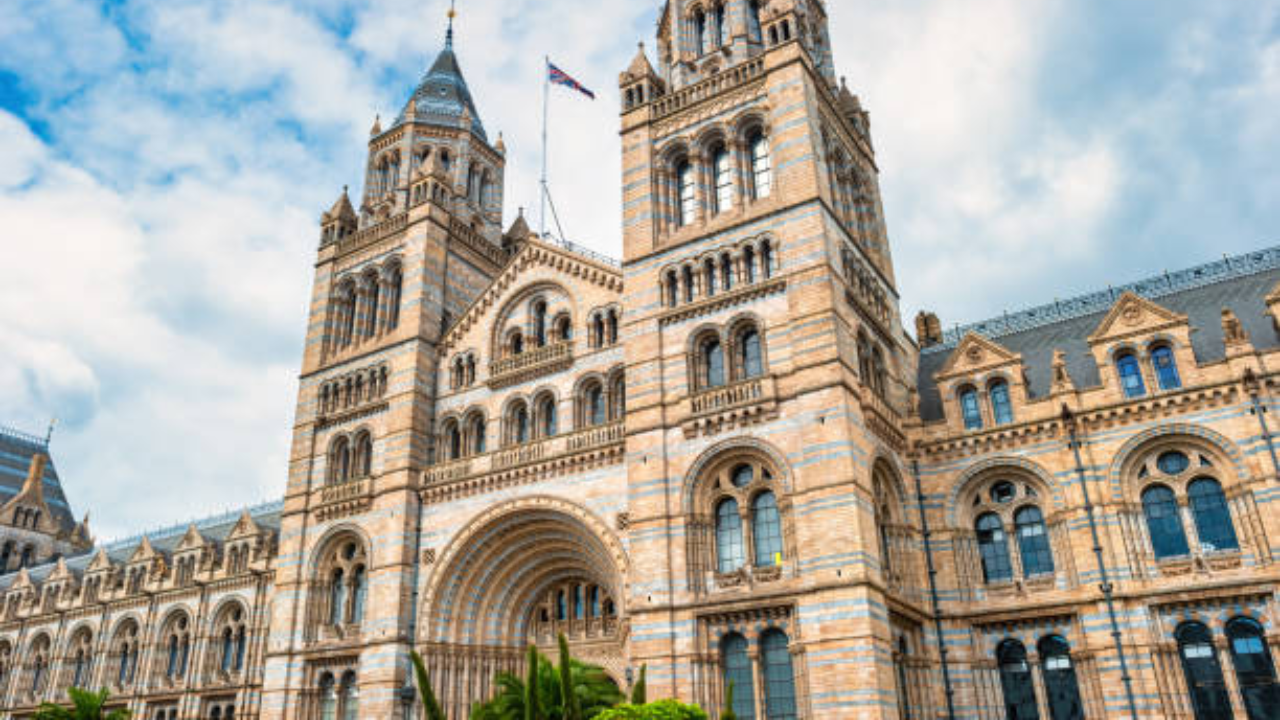
The Natural History Museum in London proudly announces the discovery of 92 new species in its revitalized gardens. This remarkable finding emphasizes the role of urban green spaces in enhancing biodiversity and contributing to climate research. By employing a sophisticated network of sensors that gather vast amounts of data, researchers can examine environmental shifts.
In brief
The Natural History Museum in London has recorded 92 species not previously identified in its gardens after transforming five acres of grounds into a network of wildlife habitats, with researchers also finding that woodland soil was 10°C cooler than a nearby paved courtyard during a heatwave.The discoveries were made between the reopening of the gardens in July 2024 and the end of 2025, according to the museum's November 25 announcement.
This is the opening of the story, shared with credit to The Times of India — World. The rest of the report — with every detail — continues on the publisher’s website.
Continue reading at The Times of India — World ↗